


Every day, millions of people open Instagram, TikTok, Facebook, LinkedIn, Reddit, and other platforms without leaving a visible trace of their activity. They watch videos, read discussions, save useful posts, compare products, and learn from creators, yet they rarely click the like button or join conversations. This behavior has become so common that it represents one of the defining patterns of modern social media use.
Understanding social media silent scroller traits helps explain why visible engagement tells only part of the story. A person who never comments may still be one of the most loyal followers of a creator or brand. They may watch every video, read every article, or purchase products based on recommendations without ever announcing their presence.
For creators, businesses, and marketers, recognizing these hidden behaviors is essential. Metrics such as comments and shares remain valuable, but they do not capture the full picture of how people consume content online. Many meaningful interactions happen privately through saved posts, direct messages, repeated visits, and careful research.
This article explores the psychology behind silent scrolling, the habits that define these users, and why understanding them leads to better content, stronger audience relationships, and more informed marketing strategies.
What Is a Silent Scroller?
A silent scroller is someone who regularly consumes content on social media without interacting publicly. They may spend hours browsing posts, watching videos, reading comments, or researching topics while rarely liking, commenting, or sharing content.
This behavior should not be confused with inactivity. Silent scrollers are often highly engaged. Their engagement simply happens in ways that are less visible than traditional social media metrics suggest.
For example, a user may watch every tutorial from a favorite creator, save useful guides for future reference, and recommend them privately to friends. Despite never commenting, that person remains a valuable member of the audience.
Why Silent Scrolling Has Become So Common
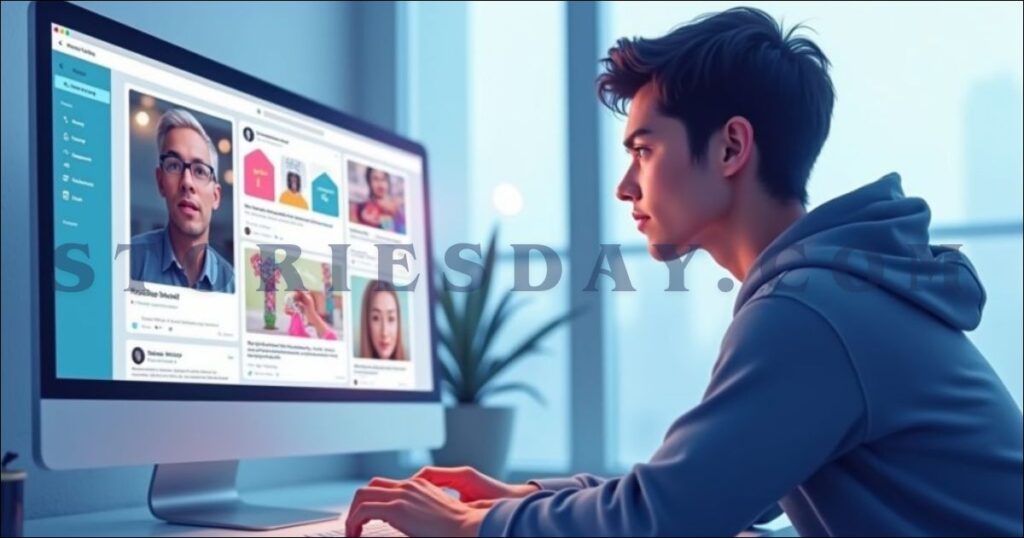
Several factors have contributed to the rise of passive social media use.
Privacy concerns encourage many people to limit their public activity. A comment written today may remain searchable for years, making users more cautious about expressing opinions online.
Information overload also plays an important role. Modern social platforms deliver an endless stream of content, making it impractical to respond to everything. Many people prefer to absorb information rather than participate in every discussion.
Another factor is the increasing visibility of online conflict. Heated debates, misinformation, and hostile comment sections encourage many users to observe quietly instead of joining conversations.
At the same time, recommendation algorithms have become highly effective. Users no longer need to actively interact with content for platforms to understand their interests. Simply watching videos or reading posts helps shape future recommendations.
Key Social Media Silent Scroller Traits
Several characteristics appear consistently among passive social media users.
They Prefer Observation
Silent scrollers often enjoy learning by watching others interact. They gather perspectives, compare opinions, and evaluate information before forming conclusions.
They Value Privacy
Many users intentionally avoid leaving public digital footprints. Their online activity reflects a preference for personal rather than public engagement.
They Think Before Responding
Instead of reacting instantly, silent users often spend more time processing information. They prefer thoughtful reflection over immediate participation.
They Save Valuable Content
Useful guides, educational articles, recipes, financial advice, and travel recommendations are commonly saved instead of liked. Saving content reflects long-term value rather than temporary interest.
They Share Privately
Rather than reposting publicly, silent users frequently send content directly to friends, family members, or colleagues through private messages.
They Consume More Than They Create
Many passive users enjoy reading, watching, and learning without feeling the need to become content creators themselves.
