


When people see an alpaca and a llama, they often wonder if they are looking at the same animal. Their similar appearance, South American origins, and shared camelid family connection make them easy to confuse. However, these two animals have several important differences in size, behavior, purpose, and physical features.
Understanding alpaca vs llama differences helps animal enthusiasts, farmers, and curious readers identify these fascinating creatures more accurately. While alpacas are famous for their soft, high-quality fiber, llamas are known for their strength, intelligence, and historical role as working animals.
Both animals have a unique place in agriculture and culture. They have supported communities in the Andes Mountains for centuries and continue to be valued around the world today. Whether you are interested in raising one, learning about their characteristics, or simply comparing these two remarkable animals, knowing their differences can make the choice much easier.
What Are Alpacas and Llamas?
Alpacas and llamas are domesticated animals belonging to the camelid family, which also includes camels and other South American species. They originated in the Andes region of South America, especially areas that are now Peru, Bolivia, Chile, and Ecuador.
Although they share a common ancestor, alpacas and llamas were selectively bred for different purposes. Alpacas were developed mainly for their valuable fleece, while llamas were bred for their size, strength, and ability to carry loads across challenging mountain landscapes.
Alpacas are smaller and have a softer, fluffier appearance. Their luxurious fiber is one of the main reasons they are raised today. Their fleece is used in clothing, blankets, and other textile products because it is warm, lightweight, and comfortable.
Llamas are larger and have a stronger body structure. Historically, they served as pack animals, helping transport goods through difficult terrain. Today, they are also used as companion animals and livestock guardians.
The differences between these two species are not only about appearance. Their personalities, abilities, and roles in human life have developed in different ways over thousands of years.
Alpaca vs Llama: Physical Differences You Should Know
The easiest way to distinguish these animals is by examining their physical characteristics. Although they look related, their body shape, size, and facial features reveal clear differences.
Size and Weight Comparison
One of the most noticeable differences is their overall size.
Alpaca Size
Alpacas are smaller animals with a compact body structure.
Typical alpaca characteristics include:
- Height: Around 32 to 39 inches at the shoulder
- Weight: Approximately 120 to 200 pounds
- Smaller frame with a rounded appearance
- Thick fleece that makes them appear larger
Their smaller size makes them easier to manage on small farms and private properties.
Llama Size
Llamas are considerably larger and stronger.
Typical llama characteristics include:
- Height: Around 42 to 46 inches at the shoulder
- Weight: Approximately 250 to 450 pounds
- Longer legs and stronger shoulders
- Taller and more athletic body shape
Their larger build allowed llamas to carry supplies and travel long distances in mountainous areas.
Differences in Face, Ears, and Appearance
A closer look at their faces can help identify which animal you are seeing.
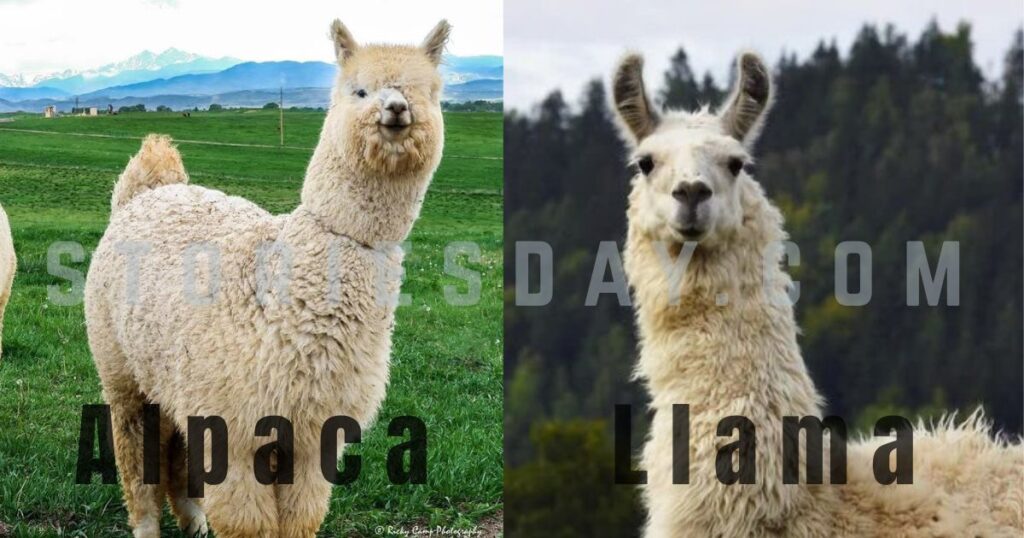
Alpacas usually have:
- Shorter, rounder faces
- Smaller pointed ears
- A fluffy forehead and softer appearance
- A more delicate facial structure
Llamas generally have:
- Longer faces
- Larger curved ears
- A more elongated nose
- A taller and more confident appearance
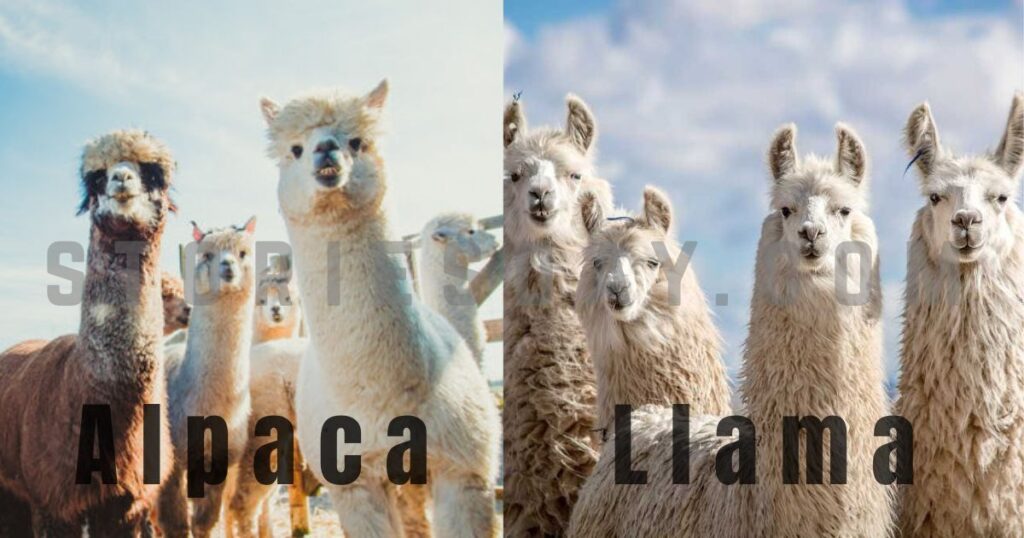
Their ears are one of the easiest ways to tell them apart. Llama ears are often described as banana-shaped because they curve inward, while alpacas have shorter, straighter ears.
Fiber and Coat Differences
One of the biggest differences between these animals is the quality and purpose of their fiber.
Alpacas are especially valued for their fleece. Their fiber is soft, fine, and often compared to premium materials because of its smooth texture and natural warmth.
Alpaca fiber benefits include:
- Soft feel against the skin
- Excellent insulation
- Lightweight warmth
- Natural durability
- Variety of natural colors
There are two main types of alpacas:
Huacaya Alpaca
The Huacaya is the most common alpaca breed. It has dense, fluffy fiber that grows outward, giving it a teddy bear-like appearance.
Suri Alpaca
The Suri alpaca has longer, silky fibers that hang in locks. This type of fleece is less common but highly valued.
Llamas also produce fiber, but their coats are usually coarser. Their fiber is better suited for practical products such as ropes, rugs, and durable textiles rather than luxury clothing.
When comparing alpaca vs llama, alpacas are generally preferred for premium fiber production, while llamas are appreciated for their strength and versatility.
Behavior and Personality Traits
Appearance is only one part of the comparison. Their behavior and temperament are also different.
Alpaca Temperament
Alpacas are usually calm, gentle, and cautious animals. They are naturally curious but may take time to become comfortable around unfamiliar people.
Common alpaca behaviors include:
- Quiet communication through humming sounds
- Strong social bonds with herd members
- Gentle interactions
- Careful observation of new situations
Because of their peaceful nature, alpacas are popular among hobby farmers and animal lovers.
Llama Temperament
Llamas are often more confident and independent. Their intelligence and awareness make them excellent working animals.
Common llama behaviors include:
- Strong protective instincts
- Greater confidence around humans
- Ability to learn commands
- Alertness toward possible threats
Llamas are sometimes used as guardian animals because they can help protect smaller livestock from predators.
Despite common stereotypes, neither animal is naturally aggressive. They usually spit only when they feel threatened, stressed, or need to establish dominance.
Origins and Historical Importance
The history of alpacas and llamas goes back thousands of years. Ancient civilizations in South America depended on these animals for survival, transportation, and resources.
Llamas were especially important to the Inca civilization because they could carry goods across difficult mountain routes. Their strength allowed communities to move supplies through areas where other transportation methods were impossible.
Alpacas were valued mainly for their fiber. Their soft fleece provided warm clothing and textiles for people living in cold high-altitude regions.
Both animals became symbols of Andean culture and remain important parts of agriculture today.
Modern farming has expanded their popularity beyond South America. Today, alpacas and llamas can be found on farms, ranches, and animal centers around the world.
Modern Uses of Alpacas and Llamas
Although alpacas and llamas were originally domesticated for specific purposes in the Andes, their roles have expanded significantly in modern times. Today, both animals are appreciated for their unique qualities, making them valuable in farming, agriculture, tourism, and companionship.
Understanding alpaca vs llama differences is especially useful for people who are considering raising these animals because each species offers different benefits.
How Alpacas Are Used Today
Alpacas are primarily known for their high-quality fiber. Their soft fleece has become popular in the textile industry because it provides warmth without being heavy.
Common uses of alpaca fiber include:
- Clothing such as sweaters, scarves, and hats
- Blankets and home textiles
- Luxury fabric products
- Handmade crafts
Many small farms raise alpacas because they are relatively easy to manage and provide a renewable source of valuable fiber.
Beyond fiber production, alpacas are also popular as companion animals. Their calm personalities make them suitable for educational farms, animal therapy programs, and family-owned properties.
How Llamas Are Used Today
Llamas continue to be valued for their strength, intelligence, and versatility.
Modern uses of llamas include:
- Carrying supplies during outdoor activities
- Protecting livestock
- Farm companionship
- Educational animal programs
Their protective instincts make them useful as guardian animals. Some farmers keep llamas with sheep, goats, or other livestock because their presence can discourage potential predators.
Unlike alpacas, llamas were developed for physical work, which explains their larger size and stronger body structure.
Care Requirements for Alpacas and Llamas
Before choosing between these animals, it is important to understand their daily needs. Both species are generally hardy animals, but they still require proper care, nutrition, and attention.
Housing and Space Needs
Both alpacas and llamas need a safe and comfortable environment.
Important requirements include:
- Secure fencing
- Shelter from extreme weather
- Clean drinking water
- Enough grazing space
- Protection from harmful conditions
They are herd animals, meaning they prefer living with companions. Keeping a single animal alone may lead to stress and loneliness.
Feeding Requirements
Alpacas and llamas are herbivores with similar dietary needs.
Their diet usually includes:
- Fresh grass
- Hay
- Pasture plants
- Mineral supplements when necessary
Because they have efficient digestive systems, they can maintain good health on a properly balanced plant-based diet.
Regular monitoring of their weight and condition helps owners identify health problems early.
Grooming and Health Care
Grooming needs differ slightly between the two animals.
Alpacas require more attention because of their thick fleece. Regular care includes:
- Annual shearing
- Checking fleece quality
- Removing dirt or debris
- Monitoring skin health
Llamas usually need less intensive coat maintenance, but they still require:
- Nail trimming
- Parasite prevention
- Veterinary checkups
- General grooming
Proper care helps both animals remain healthy and comfortable throughout their lives.
Alpaca vs Llama: Which Animal Is Right for You?
Choosing between an alpaca and a llama depends on your goals, experience, and available resources.
An alpaca may be the better choice if you want:
- High-quality fiber production
- A smaller farm animal
- A gentle and quiet companion
- An animal that requires less space
A llama may be a better option if you want:
- A larger and stronger animal
- A livestock guardian
- A more confident and independent companion
- An animal capable of carrying light loads
Neither animal is better in every situation. They were developed for different purposes, and the right choice depends on what you expect from your animal.
Quick Comparison: Alpaca vs Llama
| Feature | Alpaca | Llama |
|---|---|---|
| Scientific Family | Camelid | Camelid |
| Size | Smaller | Larger |
| Average Weight | 120–200 pounds | 250–450 pounds |
| Main Purpose | Fiber production | Packing, guarding, companionship |
| Personality | Calm and cautious | Confident and independent |
| Fiber Quality | Soft and premium | Stronger and coarser |
| Space Requirements | Less space needed | More space needed |
| Best Known For | Luxury fleece | Strength and intelligence |
Similarities Between Alpacas and Llamas
While there are many differences between these animals, they also share several important similarities.
Both alpacas and llamas:
- Come from South America
- Belong to the camelid family
- Are domesticated animals
- Are social herd animals
- Communicate through sounds and body language
- Can form strong bonds with humans
- Have long lifespans when properly cared for
They also share similar habits, including humming, gentle curiosity, and social interaction within groups.
Their similarities are the reason many people confuse them, but their differences make each species unique.
Common Myths About Alpacas and Llamas
Myth 1: Alpacas and llamas are the same animal
Although they are closely related, they are separate species with different characteristics. Their size, fiber, and traditional roles make them distinct animals.
Myth 2: They are difficult or dangerous animals
Both species are generally peaceful when handled properly. Most negative behaviors occur because of fear, stress, or poor treatment.
Myth 3: Llamas always spit
Spitting is not a constant behavior. Like alpacas, llamas usually spit only when they feel threatened or uncomfortable.
Myth 4: Alpacas cannot be kept as pets
Alpacas can make excellent companion animals when their social and care needs are met.
Why Alpacas and Llamas Continue to Fascinate People
The popularity of these animals continues to grow because they combine practical benefits with unique personalities.
Alpacas attract attention because of their soft fleece, gentle behavior, and unusual appearance. Their friendly nature makes them popular among small farms and animal enthusiasts.
Llamas stand out because of their intelligence, confidence, and history as working animals. Their ability to protect livestock and interact with humans makes them valuable in many agricultural settings.
The growing interest in alpaca vs llama comparisons shows that people want to understand not only how these animals look different but also how their roles and personalities compare.
Conclusion: Choosing Between Alpacas and Llamas
Understanding the differences between alpacas and llamas makes it easier to appreciate why both animals are special. Alpacas are valued for their soft, premium fiber and gentle personalities, while llamas are admired for their strength, intelligence, and protective abilities.
When comparing alpaca vs llama, the best choice depends on your goals. Someone interested in fiber production and a calm companion may prefer an alpaca, while someone looking for a larger working animal may find a llama more suitable.
Both species have played important roles throughout history and continue to bring value to farms, communities, and animal lovers around the world. Their unique qualities ensure that alpacas and llamas will remain fascinating animals for generations to come.
Frequently Asked Questions About Alpaca vs Llama
What is the biggest difference between an alpaca and a llama?
The biggest difference is their size and purpose. Alpacas are smaller and mainly raised for their soft fiber, while llamas are larger and traditionally used for carrying loads and protecting livestock.
Are alpacas friendlier than llamas?
Both can be friendly with proper care and handling. Alpacas are usually quieter and more cautious, while llamas are often more confident and interactive.
Can alpacas and llamas live together?
Yes. Since they are related social animals, alpacas and llamas can live together when they have enough space and proper care.
Which animal produces better wool?
Alpacas produce higher-quality fiber because their fleece is softer and finer. Llama fiber is generally stronger but less suitable for luxury textiles.
Are alpacas easier to care for than llamas?
Alpacas may require less space because of their smaller size, but both animals need proper food, shelter, companionship, and health care.
