

Nutrition has become one of the most important pillars of modern healthcare. From preventing chronic diseases to supporting recovery after illness, proper nutritional care influences patient outcomes at every stage of life. While physicians and dietitians often receive attention for their roles in nutritional management, nurses are equally critical in assessing needs, educating patients, and implementing care plans.
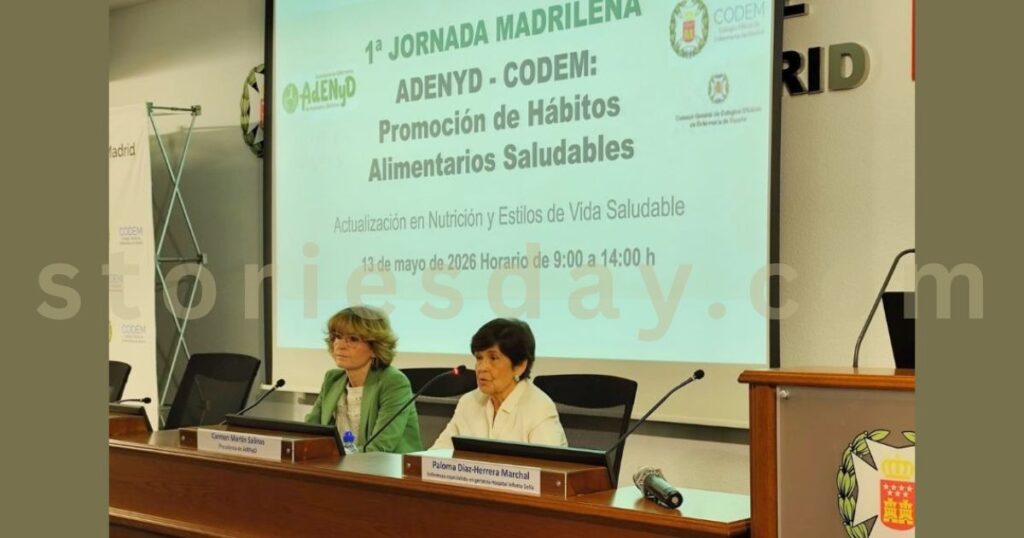
In Spain, the Association of Nutrition and Dietetics Nurses, known as ADENYD, has played an important role in strengthening this specialized area of nursing. Through professional education, scientific collaboration, and advocacy for evidence-based practice, the organization supports healthcare professionals committed to improving nutritional care.
As healthcare systems face growing challenges related to obesity, diabetes, aging populations, and disease-related malnutrition, the work carried out by nutrition-focused nursing professionals continues to gain importance.
What Is ADENYD?
ADENYD is a professional organization dedicated to nutrition and dietetics nursing in Spain. It brings together nurses who work in hospitals, community health programs, research institutions, universities, and specialized clinical settings.
The association focuses on promoting high standards of nutritional care while supporting the professional development of nurses who specialize in this field. By encouraging collaboration and knowledge sharing, it helps ensure that patients receive care informed by current scientific evidence.
The organization serves as a bridge between clinical practice, education, and research, helping nursing professionals remain informed about advances in nutritional science and healthcare delivery.
The Growing Importance of Nutrition Nursing
Nutrition affects nearly every aspect of health. Poor dietary habits and nutritional deficiencies can contribute to chronic diseases, delayed recovery, longer hospital stays, and reduced quality of life.
Nurses often spend more time with patients than any other healthcare professional. This position allows them to identify nutritional risks, monitor progress, and provide practical guidance that patients can apply in their daily lives.
Nutrition nursing involves far more than recommending healthy foods. It includes:
- Assessing nutritional status
- Identifying risk factors
- Monitoring dietary intake
- Managing nutritional support therapies
- Educating patients and families
- Coordinating care among healthcare teams
As healthcare becomes increasingly patient-centered, these responsibilities continue to expand.
History and Development
The development of specialized nutrition nursing reflects broader changes within healthcare. As research established stronger connections between nutrition and patient outcomes, healthcare professionals recognized the need for greater expertise in nutritional care.
ADENYD emerged to address this need by creating a dedicated professional community focused on advancing nutrition and dietetics nursing. Over the years, the organization has supported educational programs, professional events, and scientific initiatives that contribute to improved healthcare practices.
Its growth mirrors the increasing recognition of nutrition as an essential component of preventive medicine, disease management, and patient recovery.
Mission and Objectives
The organization’s mission centers on improving nutritional care through education, research, and professional collaboration.
Several key objectives guide its work.
Promoting Clinical Excellence
Healthcare practices continue to evolve as new research becomes available. Supporting evidence-based care helps ensure that patients receive effective nutritional interventions.
Encouraging Professional Education
Continuous learning remains essential in healthcare. New treatment approaches, technologies, and scientific findings require ongoing professional development.
Supporting Research
Scientific investigation drives improvements in patient care. Research helps identify effective interventions and strengthens clinical decision-making.
Fostering Collaboration
Effective nutritional care often requires cooperation among nurses, physicians, dietitians, pharmacists, and other healthcare professionals.
Improving Patient Outcomes
Every initiative ultimately aims to enhance patient well-being through better nutritional assessment, intervention, and education.
Education and Professional Growth
Professional education remains one of the most valuable contributions provided by organizations dedicated to healthcare advancement.
Nutrition science continues to evolve rapidly. Healthcare professionals must stay informed about emerging research, updated guidelines, and innovative treatment approaches.
Continuing Education Programs
Training opportunities often address topics such as:
- Clinical nutrition
- Therapeutic diets
- Nutritional screening
- Enteral nutrition
- Parenteral nutrition
- Pediatric nutritional care
- Geriatric nutrition
- Malnutrition management
These educational activities help practitioners strengthen their clinical skills and improve patient care.
Conferences and Scientific Meetings
Professional events create opportunities to learn from experts while exchanging ideas with colleagues from different healthcare settings.
Presentations, workshops, and case studies provide practical insights that participants can apply in their own clinical environments.
Access to Specialized Knowledge
Professional associations play an important role in distributing educational materials, clinical resources, and research findings that support informed decision-making.
Research and Innovation
Evidence-based practice depends on high-quality research. Without scientific investigation, healthcare professionals would lack the information needed to evaluate treatments and improve outcomes.
Research supported by nutrition nursing organizations contributes to a deeper understanding of how nutritional interventions affect patient health.
Addressing Hospital Malnutrition
Disease-related malnutrition remains a significant concern in healthcare settings worldwide. Research helps identify patients at risk and develop effective intervention strategies.
Improving Nutritional Screening
Early detection allows healthcare professionals to address nutritional concerns before complications develop.
Researchers continue to refine screening methods that improve accuracy and efficiency.
Supporting Chronic Disease Management
Nutrition plays a central role in managing conditions such as:
- Type 2 diabetes
- Cardiovascular disease
- Hypertension
- Obesity
- Kidney disease
Research provides valuable insights into dietary approaches that support long-term health outcomes.
Encouraging Professional Contributions
Recognition programs and research awards help encourage healthcare professionals to pursue innovative projects that advance the field.
Collaborative Healthcare Initiatives
No single healthcare profession can address complex nutritional challenges alone. Effective care requires collaboration among specialists with different areas of expertise.
Nutrition nurses often work closely with:
- Physicians
- Registered dietitians
- Pharmacists
- Speech therapists
- Physical therapists
- Social workers
This multidisciplinary approach supports comprehensive care plans tailored to individual patient needs.
Community Health Programs
Nutritional education extends beyond hospitals and clinics.
Community-based initiatives can help reduce disease risk by promoting healthy eating habits and lifestyle choices.
These programs often focus on:
- Healthy aging
- Childhood nutrition
- Weight management
- Chronic disease prevention
- Public health awareness
Such efforts contribute to healthier communities and reduced healthcare burdens.
Impact on Patient Care

The influence of nutrition nursing becomes particularly evident when examining patient outcomes.
Faster Recovery
Patients who receive appropriate nutritional support often experience improved recovery following illness, surgery, or medical treatment.
Reduced Complications
Early nutritional intervention can reduce the likelihood of complications associated with malnutrition and inadequate dietary intake.
Improved Quality of Life
Effective nutritional management helps patients maintain strength, independence, and overall well-being.
Better Long-Term Health
Patient education encourages sustainable lifestyle changes that support long-term health goals.
By strengthening professional expertise and encouraging evidence-based care, organizations focused on nutrition nursing contribute directly to these outcomes.
Current Challenges in Nutritional Healthcare
Despite significant advances, several challenges continue to affect nutritional care.
Rising Chronic Disease Rates
Conditions linked to diet and lifestyle remain among the leading causes of illness worldwide.
Healthcare professionals must balance treatment with prevention strategies that address underlying risk factors.
Aging Populations
Older adults often face complex nutritional needs due to chronic illness, medication use, and changes in appetite or metabolism.
Resource Limitations
Healthcare facilities frequently operate under staffing and budget constraints that can affect nutritional screening and intervention programs.
Health Literacy Gaps
Patients may struggle to understand nutritional recommendations or apply them consistently in daily life.
Addressing these challenges requires ongoing education, research, and collaboration across healthcare disciplines.
Looking Ahead
The future of nutrition nursing will likely be shaped by advances in technology, personalized healthcare, and preventive medicine.
Digital Health Tools
Electronic health records, telehealth services, and digital monitoring systems are transforming how nutritional care is delivered and evaluated.
Personalized Nutrition
Researchers continue to explore how genetics, lifestyle factors, and medical history influence dietary needs.
These developments may lead to more individualized nutritional recommendations.
Expanded Preventive Care
Healthcare systems increasingly recognize that preventing disease is often more effective and cost-efficient than treating it after it develops.
Nutrition professionals will continue playing a central role in these efforts.
Stronger Interdisciplinary Collaboration
As healthcare becomes more integrated, cooperation among specialists will remain essential for delivering comprehensive patient care.
Conclusion
Nutrition nursing occupies a vital position within modern healthcare. Through patient assessment, education, clinical intervention, and multidisciplinary collaboration, nurses help improve outcomes across a wide range of medical conditions.
Organizations such as ADENYD contribute significantly to this mission by supporting professional development, encouraging research, and promoting evidence-based practice. Their work helps strengthen healthcare systems while ensuring that nutritional care remains an essential component of patient treatment and recovery.
As nutritional science continues to evolve, the role of specialized nursing professionals will become even more important in addressing the healthcare challenges of the future.
Frequently Asked Questions
What does ADENYD represent?
It is the Spanish Association of Nutrition and Dietetics Nurses, a professional organization focused on advancing nutritional care within nursing practice.
Why is nutrition nursing important?
Nutrition nursing helps identify risks, support recovery, educate patients, and improve health outcomes through evidence-based nutritional care.
Who benefits from nutrition-focused nursing care?
Patients of all ages can benefit, particularly those managing chronic diseases, recovering from illness, or requiring specialized nutritional support.
How does professional education improve patient care?
Ongoing education helps healthcare professionals stay current with research, clinical guidelines, and emerging treatment strategies.
What role does research play in nutrition nursing?
Research provides evidence that guides clinical decisions, improves interventions, and supports better patient outcomes.
