

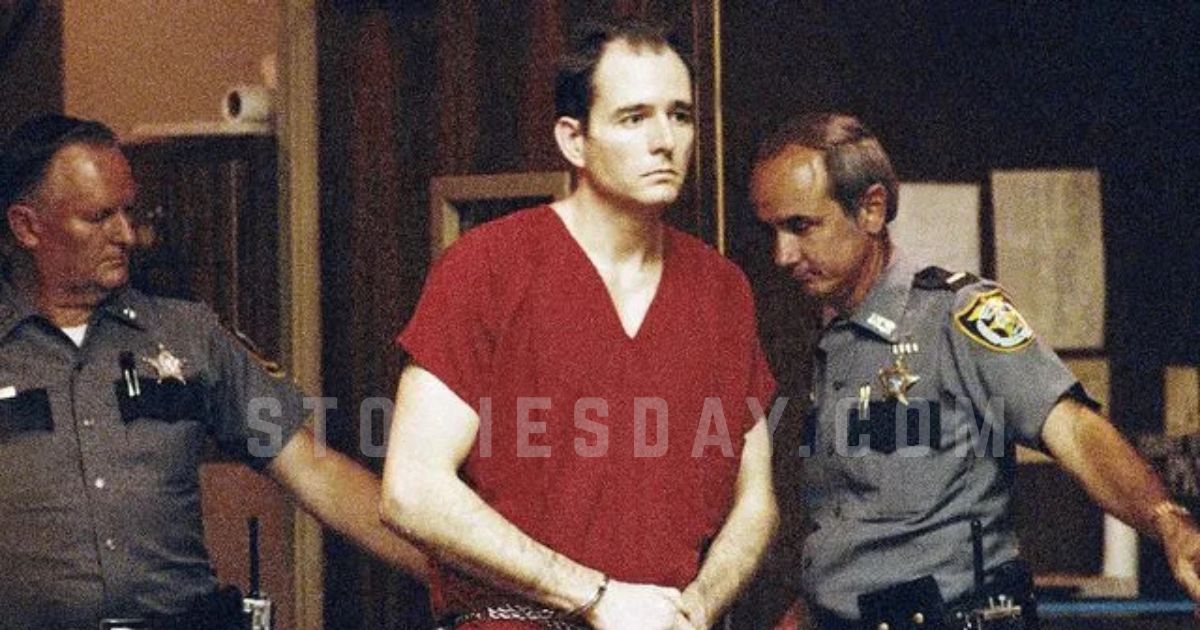
Danny Rolling became one of the most notorious criminals in Florida after five college students died in Gainesville in August 1990. The murders shocked the University of Florida community and created fear across the city. The case later gained another layer of public interest when it helped inspire the horror movie Scream.
Rolling became known as the “Gainesville Ripper.” Police eventually linked him to the five Gainesville murders, and he later pleaded guilty to the killings. A Florida court sentenced him to death, and officials carried out the sentence in 2006.
However, this case involves much more than the crimes of one man. Five young people lost their lives, families faced lasting grief, and an entire college community struggled with fear. Understanding the case means looking at those human consequences alongside the investigation, court proceedings, and later cultural impact.
Who Was Danny Rolling?
Danny Rolling was born in Shreveport, Louisiana, on May 26, 1954. He spent much of his early life in Louisiana and developed a criminal record before the Gainesville murders.
His childhood included serious family problems. Several accounts describe an abusive relationship between Rolling and his father. His later life included periods of instability, prison time, and repeated criminal offenses.
Those circumstances provide background, but they do not excuse his later actions. A troubled childhood does not automatically lead someone to commit violent crimes. Many people experience difficult circumstances without becoming violent.
Rolling had already committed serious offenses before he arrived in Florida. His criminal history included robbery and other crimes. Investigators later discovered that his violent behavior extended beyond the Gainesville case.
In 1989, Rolling killed three people in Shreveport, Louisiana, according to his later confession. These killings became another important part of his criminal history.
The Gainesville murders, however, made his name nationally known.
The Gainesville Murders of 1990
The central crimes occurred in Gainesville during late August 1990.
Five college students died during a series of attacks between August 24 and August 28. Four victims attended the University of Florida. The fifth attended what was then Santa Fe Community College.
The victims were:
- Sonja Larson
- Christina Powell
- Tracy Paules
- Christa Hoyt
- Manuel Taboada
The murders happened just as students returned to Gainesville for the fall semester. That timing intensified the fear across the university community.
Students suddenly worried about everyday activities that had previously seemed ordinary. Walking home, living alone, and spending time in an apartment all seemed more dangerous.
Families also became deeply concerned. Many parents called their children and urged them to take extra precautions. Some students chose to leave Gainesville temporarily.
The University of Florida later documented the effect of the murders on students and staff. The killings changed the atmosphere around campus and remained a painful memory for people who experienced the events firsthand.
The investigation also attracted major national media attention. Reporters traveled to Gainesville, while police worked under intense pressure to identify the killer.
Remembering the Five Victims
The victims should remain at the center of any discussion about the Gainesville murders.
Sonja Larson, Christina Powell, Tracy Paules, Christa Hoyt, and Manuel Taboada were students with families, friends, interests, and plans for their futures. Their deaths ended those futures without warning.
The University of Florida has continued to remember the victims through historical accounts and memorial efforts.
That focus matters because true-crime stories can sometimes give too much attention to the offender. A notorious criminal can become a familiar name while the victims receive far less attention.
The Gainesville case offers an important reminder. Behind the headlines were five real people and families who experienced permanent loss.
Their names deserve more attention than the nickname given to their killer.
Danny Rolling’s Criminal History
Rolling had a criminal record before the Gainesville killings.
He spent time in prison and committed offenses that included robbery. His criminal behavior continued after his release, eventually leading him to Florida.
His earlier history became important when investigators examined his movements and connections.
The Shreveport killings also expanded the scope of the case. Rolling eventually admitted that he killed three people in Louisiana in 1989.
Those murders involved Julie Grissom, her father Tom Grissom, and her nephew Sean Grissom. Rolling’s confession connected him to the deaths and provided investigators with a broader picture of his criminal activity.
The Gainesville murders therefore formed part of a larger history of violence.
The Investigation
Law enforcement launched an extensive investigation after the Gainesville murders.
Investigators examined crime scenes, physical evidence, witness accounts, and possible suspects. They also looked at Rolling’s movements and his connection to Gainesville.
Authorities arrested Rolling on September 4, 1990, on an unrelated open-container charge. At that stage, investigators had not yet completed the case against him for the Gainesville murders.
The investigation continued for months.
Police faced a difficult challenge. They needed to identify the killer while also gathering evidence strong enough to support criminal charges.
Rolling remained connected to the investigation as authorities examined evidence from the Gainesville crime scenes and information about his activities.
Eventually, investigators built a case that connected him to the murders.
The investigation demonstrates an important point about major homicide cases: finding a possible suspect and proving that person’s guilt are two very different tasks.
How Police Connected Rolling to the Case
Investigators relied on multiple pieces of information while developing the case against Rolling.
His presence in Gainesville attracted attention, and his criminal history provided investigators with additional reasons to examine him closely.
Physical evidence also played an important role.
Authorities continued to compare evidence from the crime scenes with information connected to Rolling. The investigation eventually gave prosecutors enough grounds to pursue charges against him.
The case also gained strength as investigators examined Rolling’s connection to other crimes.
His later confession to the Shreveport murders provided additional information about his activities, although the Gainesville case itself already involved substantial evidence.
The investigation eventually moved from suspicion to prosecution.
Arrest, Guilty Plea, and Death Sentence
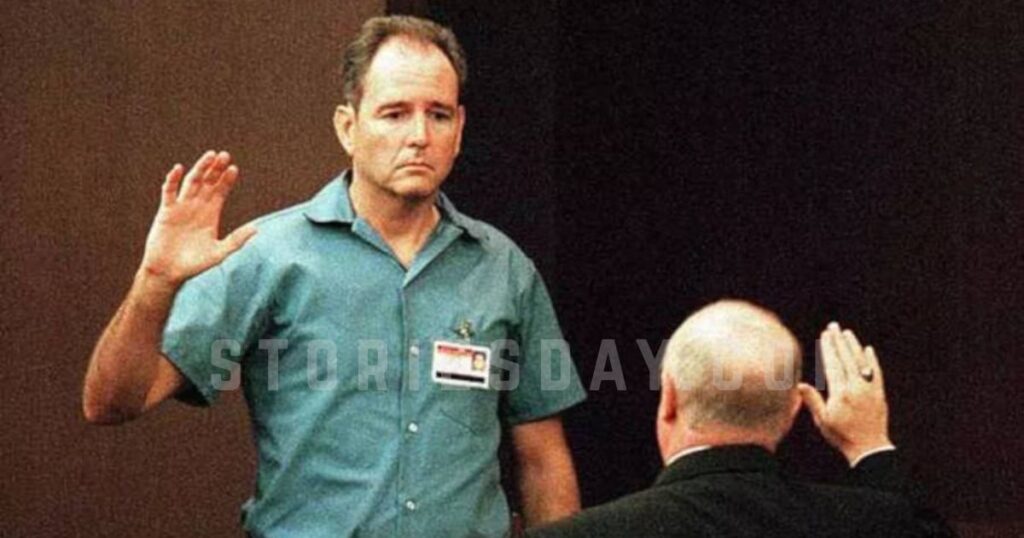
The legal case against Rolling lasted several years.
He initially pleaded not guilty to the Gainesville murders. On February 15, 1994, he changed his plea and admitted guilt to five counts of first-degree murder along with additional charges.
The court still had to determine his sentence because the crimes carried the possibility of capital punishment.
During the sentencing process, the defense presented information about Rolling’s childhood and psychological background. Prosecutors argued that he understood his actions and deserved the maximum punishment.
A jury recommended the death penalty.
The court then sentenced Rolling to death in 1994.
His case did not end with that sentence. Death-penalty cases often involve years of appeals and legal challenges, and Rolling’s attorneys continued to challenge aspects of his conviction and sentence.
Florida courts reviewed several of those challenges during the following years.
In 2006, the Florida Supreme Court considered another post-conviction challenge and allowed the execution process to continue.
Why Danny Rolling Became Known as the Gainesville Ripper
The media gave Rolling the nickname “Gainesville Ripper” after the 1990 murders.
Such labels often appear in high-profile serial-killer cases. They give journalists and the public a short phrase that identifies a complicated criminal investigation.
The nickname remained attached to Rolling throughout his trial, appeals, and later media coverage.
However, the label can also make a criminal case sound like a fictional story. That can distract from the real consequences of the violence.
The Gainesville murders affected families, students, university staff, police officers, journalists, and the wider community.
For that reason, the most responsible accounts should use the nickname as historical context rather than as a way to glamorize the offender.
The Connection Between Danny Rolling and Scream
One of the most well-known aspects of the case involves the 1996 horror film Scream.
Rolling did not appear in the movie, and Scream does not directly recreate the Gainesville murders.
Instead, the real case influenced screenwriter Kevin Williamson.
Williamson reportedly saw a television report about the Gainesville murders while visiting a friend. The story disturbed him and helped spark an idea for a horror screenplay.
That screenplay eventually became Scream.
The film created fictional characters, a fictional setting, and its own storyline. The fictional town of Woodsboro has no direct identity as Gainesville, and the movie does not present a documentary version of Rolling’s crimes.
The connection therefore involves inspiration rather than adaptation.
Still, the link helped keep public interest in the Gainesville case alive. Viewers who enjoyed Scream later discovered the real events that influenced Williamson.
The case consequently developed a lasting connection with horror culture.
How Scream Changed the Story in Popular Culture
Scream became a major success and helped reshape the horror genre.
The movie combined traditional slasher elements with humor, mystery, and characters who understood horror-movie conventions. Its success eventually produced a large franchise.
The real Gainesville case had a much different character.
Real investigations involve evidence, interviews, legal procedures, grieving families, and years of court proceedings. A horror movie transforms those realities into entertainment.
That distinction remains important when discussing the relationship between Rolling and Scream.
The film drew inspiration from a frightening real-world event, but it created a fictional story rather than presenting the actual Gainesville murders.
Execution of Danny Rolling
After years of appeals, Rolling reached the end of his legal proceedings in 2006.
The Florida Supreme Court reviewed another challenge to his sentence that year. Court records confirmed that officials had scheduled his execution for October 25, 2006.
Florida executed Rolling by lethal injection at Florida State Prison on October 25, 2006.
His death ended the legal proceedings connected to the Gainesville murders.
Public interest, however, continued.
Documentaries, books, television programs, podcasts, and articles continued to revisit the case. The connection to Scream also introduced the story to audiences who may have known the movie before learning about the real crimes.
The Lasting Impact on Gainesville
The Gainesville murders changed the atmosphere of the city and its university community.
Students who once viewed Gainesville as a typical college town suddenly faced an unfamiliar level of fear.
The murders also encouraged conversations about student safety and personal security.
For many students, simple routines changed. People traveled in groups, checked on friends, and paid closer attention to their surroundings.
The university community eventually recovered, but the memory of the killings remained.
Years later, people who lived through the events could still describe the fear that spread across Gainesville in 1990.
The case also became an important example of the relationship between crime and media coverage. National attention turned a local tragedy into a story known throughout the United States.
What the Case Teaches Us About True Crime
The story offers several lessons about how society approaches notorious criminal cases.
First, facts matter. High-profile cases often attract rumors and exaggerated stories. Reliable court records, university archives, and law-enforcement documents provide a stronger foundation.
Second, victims should remain central. The person who committed the crime should not receive more attention than the people who lost their lives.
Third, entertainment and reality require clear separation. The connection between Rolling’s crimes and Scream is historically interesting, but the movie remains fiction.
Finally, true crime should not turn criminals into celebrities.
Studying a case can help people understand criminal investigations, legal procedures, media coverage, and social reactions. That does not require admiration or fascination with the offender.
Frequently Asked Questions
Who was Danny Rolling?
Danny Rolling was an American serial killer who murdered five college students in Gainesville, Florida, in 1990. He later pleaded guilty and received a death sentence.
How many victims did Danny Rolling have?
Rolling received convictions for five Gainesville murders. He also confessed to three killings in Shreveport, Louisiana, from 1989.
Why was Rolling called the Gainesville Ripper?
The media used the nickname after the five Gainesville murders. The name remained associated with him throughout the investigation, trial, and later coverage.
Did Danny Rolling inspire Scream?
His crimes influenced screenwriter Kevin Williamson, who saw a television report about the Gainesville murders. The case helped inspire Scream, although the movie tells a fictional story.
When did Danny Rolling die?
Florida executed Rolling by lethal injection on October 25, 2006, at Florida State Prison.
Conclusion
The case of Danny Rolling remains one of the most disturbing chapters in Gainesville’s history.
Five students lost their lives in August 1990, and their deaths changed the atmosphere of a university community. Investigators spent months building the case, while Rolling eventually faced trial, received a death sentence, and exhausted years of appeals.
The later connection to Scream gave the case a lasting place in popular culture. Yet the real story remains far more serious than the fictional movie that followed it.
At its heart, the Gainesville case concerns five victims and the people who loved them. Sonja Larson, Christina Powell, Tracy Paules, Christa Hoyt, and Manuel Taboada deserve to remain central to the historical record.
Looking at the case through that lens creates a more accurate and respectful understanding of what happened. It also separates documented history from entertainment while preserving the lessons that the case continues to offer about crime, investigation, media attention, and community trauma.
