

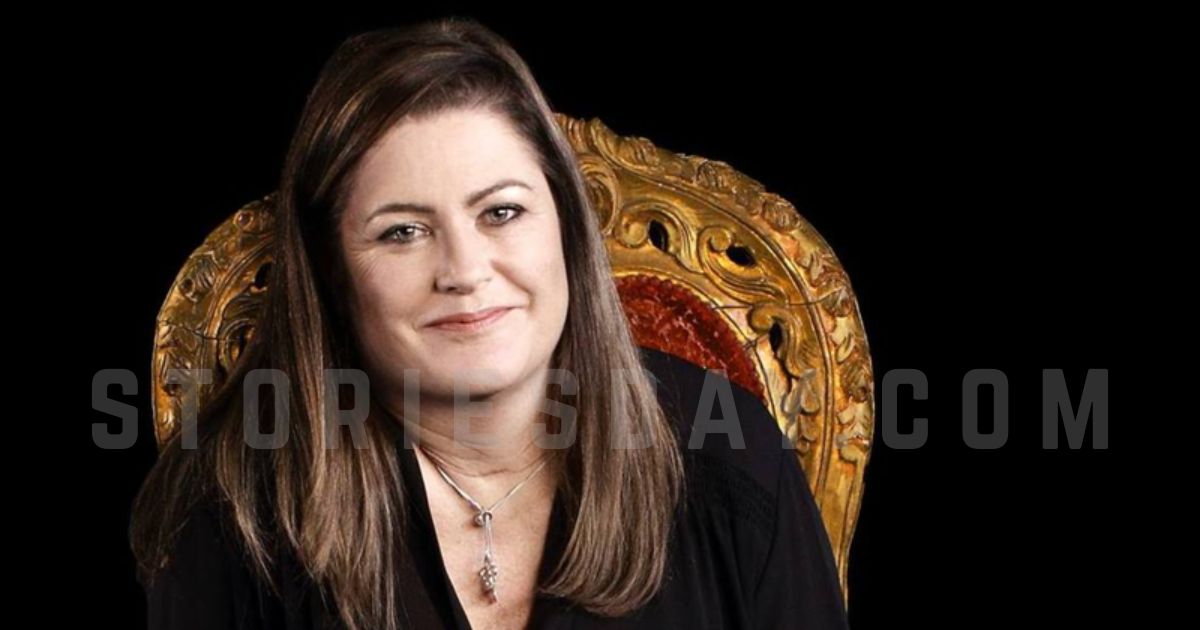
Alison Botha is widely known for surviving one of the most horrific attacks in South Africa’s modern criminal history. Yet describing her only as a survivor of violence tells an incomplete story. Over the decades that followed the 1994 attack, she became an author, motivational speaker, and public figure whose message has centered on courage, choice, recovery, and the possibility of rebuilding a meaningful life after trauma.
Her story has also continued to evolve. In 2023, the two men convicted in connection with her attack were released on parole, creating renewed fear and public debate. In February 2025, South Africa’s Minister of Correctional Services cancelled their parole, and both men were returned to custody.
At the same time, Botha faced another serious challenge. In 2024, she suffered a burst brain aneurysm and underwent multiple medical procedures and a prolonged rehabilitation process. By 2025, she was publicly reflecting on that experience as another major test of her determination.
Understanding Alison Botha therefore requires looking beyond the crime itself. Her life encompasses survival, recovery, literature, filmmaking, public speaking, legal developments, family support, and an ongoing effort to move forward.
Who Is Alison Botha?
Alison Botha is a South African author and motivational speaker whose life changed dramatically in December 1994.
At the time, she was living in Port Elizabeth, now known as Gqeberha. She was abducted by two men, Frans du Toit and Theuns Kruger, and subjected to an extremely violent attack.
The case received national attention because of the severity of the crime and because Botha survived injuries that were expected to be fatal. Her testimony became an important part of the criminal proceedings against the two men.
Rather than allowing the attack to become the entire definition of her life, Botha eventually developed a career around sharing what she had learned from surviving and rebuilding.
That distinction is important. Her story is not simply about what happened to her in 1994. It is also about what she chose to do afterward.
Through speaking engagements, her book I Have Life, and the documentary Alison, she has shared a message about resilience with audiences in South Africa and internationally.
The 1994 Attack That Changed Her Life
In December 1994, Botha was abducted near her home in Port Elizabeth. The attackers took her to an isolated area and subjected her to sexual assault and severe physical violence.
The attack was so brutal that the men believed they had left her for dead. Botha, however, remained alive.
She eventually managed to reach a road and attract assistance. Her survival led to extensive medical treatment and later to a criminal investigation that resulted in the prosecution of the two attackers.
The case became significant not only because of the violence involved but also because Botha survived to tell authorities what had happened.
Frans du Toit and Theuns Kruger were subsequently convicted and sentenced to life imprisonment. Their later parole became another major chapter in the story decades after the original crime.
When discussing the attack today, it is important to avoid turning traumatic events into spectacle. The most valuable focus is on the survivor, the legal consequences, the recovery process, and the life that followed.
That perspective helps explain why the story of Alison Botha has remained relevant for so many years.
A Fight for Survival
Survival was not the end of the ordeal. It was the beginning of a long recovery.
Botha required extensive medical treatment after the attack. Her physical injuries were severe, but the psychological consequences of such trauma also presented a lifelong challenge.
Recovery from violence rarely follows a simple timeline. A survivor may experience fear, anger, anxiety, uncertainty, or difficult memories long after the immediate physical injuries have healed.
For Botha, rebuilding eventually included returning to ordinary life and developing a professional identity outside the crime.
She began speaking publicly about her experience and the lessons she had taken from it. Over time, her talks became associated with themes such as personal choice, resilience, attitude, and hope.
Her message was not that terrible experiences are easy to overcome. Instead, she emphasized the idea that people can still exercise some degree of choice in how they respond to circumstances that they did not choose.
That distinction became central to her public identity.
Life After the Attack
One of the most significant aspects of Alison Botha‘s life is what happened after the headlines faded.
She did not simply become a historical figure connected to a criminal case. She developed a career as a motivational speaker and began sharing her experiences with audiences.
Her public speaking work allowed her to transform an intensely personal experience into a broader conversation about resilience.
This did not mean that the trauma disappeared. Rather, she found a way to discuss it without allowing the crime to determine every aspect of her identity.
Her story has consequently appealed to people facing many different forms of adversity. Although her experience was extraordinary, the broader questions it raises are universal:
- How does someone rebuild after trauma?
- How can a person regain a sense of control?
- What role can family and community support play?
- Can a painful experience become part of a meaningful life without defining the entire person?
These questions help explain the lasting interest in her story.
The public image of Alison Botha has therefore evolved from that of a crime survivor to that of a speaker and advocate whose life demonstrates the complicated, ongoing nature of recovery.
I Have Life: Turning Experience Into a Book
One of the most important parts of Botha’s legacy is I Have Life.
The book gave readers a much more personal account of her experience and the years that followed. Rather than reducing the story to a newspaper report, it allowed readers to understand the emotional and personal dimensions of survival.
The book was first published in 1998 and later received an updated edition around the release of the documentary about her life. Reports have noted that it was translated into several languages and became an important part of her public story.
The title itself reflects the central idea running through Botha’s story: survival is not merely about remaining alive in a physical sense. It is also about reclaiming the future.
Her book helped establish that idea as a central part of how audiences understood her experience.
For anyone researching Alison Botha, I Have Life is particularly significant because it represents her own account rather than a short summary written from outside her experience.
The Documentary Alison
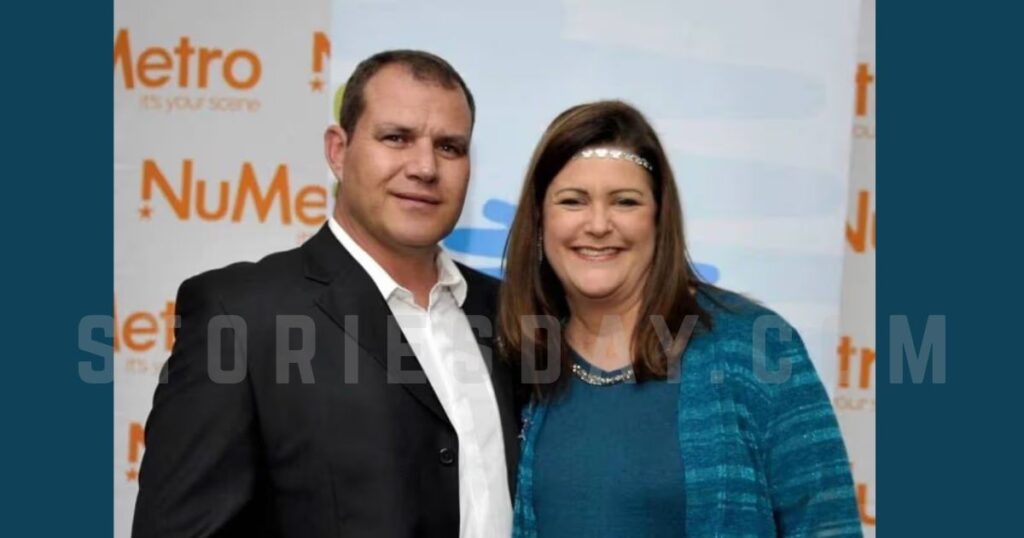
The story later moved from the page to the screen.
The documentary Alison was directed by Uga Carlini and released in 2016. It dramatized aspects of Botha’s experience while also incorporating her perspective as the woman who had lived through it.
The film helped introduce her story to a wider audience and reinforced the idea that her life was about more than the crime itself.
Contemporary coverage of the film highlighted Botha’s continuing work as a public speaker and her belief that people are not necessarily defined by what happens to them.
The documentary is important for another reason: it demonstrates how a personal experience can move across different forms of storytelling.
Her journey has been presented through:
- News reporting
- Her autobiography
- Public speaking
- Documentary filmmaking
- Interviews and later media coverage
Each format provides a different perspective, but together they create a much broader picture of her life.
The Parole Controversy
One of the most difficult developments in the later life of Alison Botha occurred in 2023.
The two men convicted in connection with her attack were granted parole and released after serving decades in prison. According to parliamentary records, Botha was unaware that they had been granted parole and released under conditions.
The decision became a major public issue because of concerns about victim consultation and the impact of the release on Botha’s sense of safety.
For a person who had spent decades rebuilding her life after an extraordinarily violent crime, learning that the perpetrators were free represented a deeply distressing development.
The controversy also raised broader questions about South Africa’s parole system, including how victims are informed and consulted when offenders serving life sentences become eligible for release.
This aspect of the story is important because it shows that the consequences of violent crime do not necessarily end when a criminal trial concludes.
Parole Was Cancelled in 2025
The situation changed in February 2025.
South Africa’s Minister of Correctional Services, Pieter Groenewald, announced that the parole of Frans du Toit and Theuns Kruger had been cancelled following evaluation and consideration of legal opinions. Both men were reincarcerated.
Parliament subsequently examined the process behind the granting and cancellation of their parole. Parliamentary records noted that legal representatives for Botha had raised concerns including the absence of victim consultation in the parole process.
The reversal was therefore significant both personally and institutionally.
For Botha, it brought renewed attention to her right to safety and participation in decisions that directly affected her.
For the wider public, the case became part of a larger debate about parole, risk assessment, victim consultation, and the management of life sentences in South Africa.
Another Major Challenge: Her Brain Aneurysm
Just as the parole controversy was unfolding, Alison Botha was facing a serious health crisis of her own.
In 2024, she suffered a burst brain aneurysm and required emergency medical treatment. News24 reported in February 2025 that she had experienced two aneurysms, undergone brain surgery, and was concentrating on recovery and rehabilitation.
Her recovery involved relearning basic abilities and undergoing rehabilitation.
This was another reminder that resilience is not always a dramatic moment of triumph. Often, it consists of small and repetitive efforts: rehabilitation exercises, medical appointments, accepting assistance, and patiently working toward greater independence.
In August 2025, Botha publicly reflected on the experience and described it as another near-death episode. She explained that her family had been told at various points that she might not survive.
Her account added a new dimension to a story already associated with survival.
Recovery Became Another Chapter
By late 2025, reports continued to describe Botha as recovering from the aneurysm and working through the physical and emotional effects of the medical crisis. News24 described her as continuing to fight a year after the event.
This stage of her life is especially meaningful because it demonstrates that resilience is not something a person achieves once and then keeps permanently.
Life can bring new challenges long after someone believes they have overcome the worst.
Botha’s health journey illustrates that recovery can be ongoing, imperfect, and dependent on support from others.
What Makes Her Story a Story of Resilience?
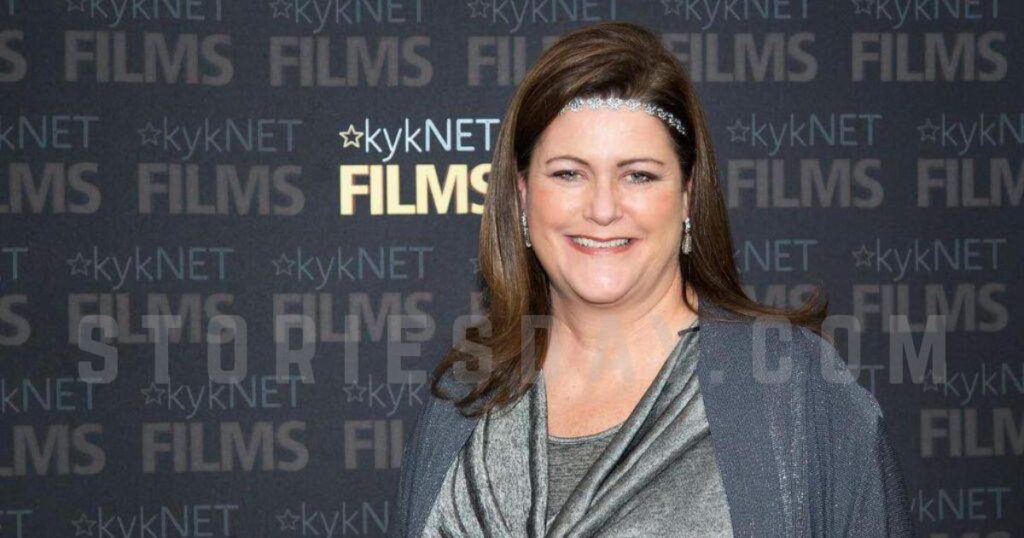
The word “resilience” is frequently used when discussing Alison Botha, but it should not be interpreted as meaning that she was unaffected by what happened.
Resilience does not require someone to be fearless.
It does not mean trauma disappears.
It does not mean a person should always remain positive.
Instead, resilience can mean continuing to rebuild while recognizing that pain, fear, exhaustion, and uncertainty are real.
Botha’s life demonstrates several forms of resilience.
Physical Resilience
She survived life-threatening injuries in 1994 and later faced a serious neurological emergency.
Emotional Resilience
She continued developing her life and career despite the psychological consequences of violence and later distress surrounding the parole decision.
Professional Resilience
She turned her experiences into a career as a motivational speaker and author.
Social Resilience
Her recovery has involved family, friends, medical professionals, legal representatives, and supporters.
Personal Resilience
Perhaps most importantly, she continued making choices about the direction of her life instead of allowing the perpetrators to determine her entire future.
That final point is particularly important. A person’s identity can contain trauma without being reduced to trauma.
The Broader Legacy of Alison Botha
The legacy of Alison Botha extends beyond the details of one criminal case.
Her story has contributed to wider conversations about survivors of sexual violence, long-term trauma, victim participation in criminal justice, and the importance of support during recovery.
It also demonstrates how personal storytelling can change the way audiences understand survival.
Instead of presenting a survivor as someone permanently defined by victimhood, her work has emphasized the possibility of rebuilding.
That does not erase the crime or minimize its consequences. It simply recognizes that the life of a survivor continues after the courtroom, the headlines, and the initial recovery.
Her book and documentary have helped preserve her story for future audiences, while her speaking career has allowed her to communicate its central themes directly.
The later parole dispute also showed why survivor perspectives remain important decades after a conviction.
Why Alison Botha’s Story Still Matters
There are many reasons the story of Alison Botha continues to attract attention.
First, it is a story of extraordinary survival.
Second, it provides insight into the long-term consequences of violent crime.
Third, it raises difficult questions about how criminal justice systems balance rehabilitation, parole, public safety, and the rights of victims.
Finally, it demonstrates that recovery is rarely linear.
The 1994 attack was followed by years of rebuilding. Then came the parole controversy in 2023 and its reversal in 2025. Meanwhile, a major health crisis created another difficult period beginning in 2024.
Her life therefore challenges the simplistic idea that resilience means “getting over” something.
Sometimes resilience means adapting repeatedly to circumstances that could not have been predicted.
That is perhaps the most useful lesson readers can take from her story.
A Legacy Built on Moving Forward
The enduring significance of Alison Botha is not simply that she survived an attack that many people believed she could not survive.
It is that she continued to build a life afterward.
Through I Have Life, the documentary Alison, motivational speaking, and years of public engagement, she has shared a message centered on the possibility of moving forward.
Her more recent health battle has made that message even more personal. Recovery has once again required patience, medical care, determination, and support.
At the same time, the cancellation of her attackers’ parole in 2025 demonstrated that justice and personal safety can remain relevant long after the original crime.
Her story should therefore be understood as an evolving one.
The most important part is not the violence itself. It is the life that followed it.
Frequently Asked Questions
Who is Alison Botha?
Alison Botha is a South African survivor, author, and motivational speaker whose story became internationally known after she survived a brutal attack in 1994. Her experience later became the subject of the book I Have Life and the documentary Alison.
What happened to Alison Botha in 1994?
She was abducted near her home in Port Elizabeth, now Gqeberha, by Frans du Toit and Theuns Kruger. She survived a severe attack and later testified in the criminal case against the two men.
What is I Have Life?
I Have Life is the book based on Botha’s experience and subsequent journey. It became an important part of how her story reached readers and was later associated with the documentary Alison.
What happened to her attackers?
Du Toit and Kruger were sentenced to life imprisonment. They were released on parole in 2023, but the parole was cancelled in February 2025, and both were returned to custody.
What happened to Alison Botha’s health in 2024?
She suffered a burst brain aneurysm and underwent brain surgery and extensive rehabilitation. Later reports described her continuing to recover and publicly reflecting on the experience.
Conclusion
The story of Alison Botha is ultimately a story about life after trauma.
Her experience in 1994 changed her forever, but it did not end her life or determine everything that came afterward. She became an author, motivational speaker, and public voice for resilience. Her story reached readers through I Have Life and audiences through the documentary Alison.
Decades later, the parole of her attackers created another painful chapter, followed by the cancellation of that parole in 2025. Her brain aneurysm and subsequent rehabilitation added another extraordinary challenge to a life already marked by survival.
What makes her story compelling is not simply the fact that she survived. It is the way she continued to rebuild, adapt, and find meaning afterward.
Resilience is not the absence of fear or pain. It is the ability to keep moving forward while acknowledging both.
That is the lasting lesson of Alison Botha: a traumatic event can become part of someone’s history without becoming the whole of their identity. Her life continues to demonstrate the difference between surviving something and continuing to live beyond it.
