

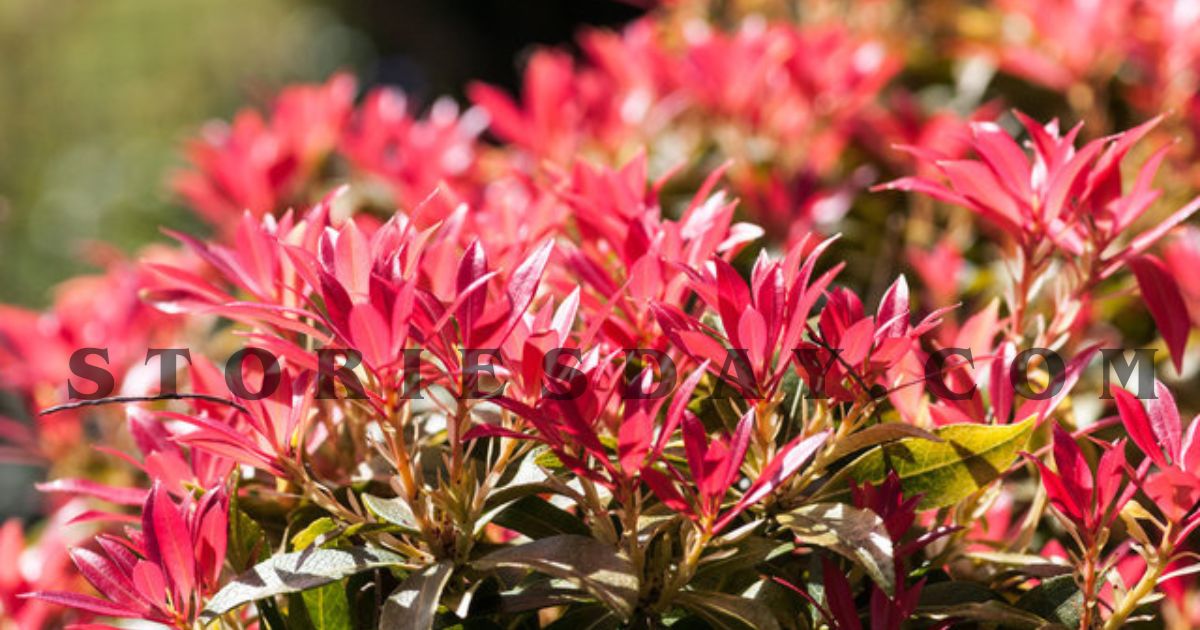
Few evergreen shrubs offer the same combination of elegant flowers, colorful new growth, and year-round structure as Pieris rotsheide. Whether you’re creating a peaceful woodland garden, refreshing a shaded border, or looking for an ornamental shrub that stays attractive through every season, this plant is an excellent choice.
Known botanically as Pieris japonica, this evergreen shrub belongs to the heath family (Ericaceae), alongside rhododendrons, azaleas, and blueberries. It is prized for its glossy foliage, cascading clusters of bell-shaped flowers, and vibrant spring leaves that often emerge in shades of red, bronze, or pink before maturing into deep green.
Although Pieris is considered relatively low maintenance, it performs best when planted in the right environment. Understanding its preferred soil, light, and watering needs makes a significant difference in its long-term health and appearance.
This guide explores everything you need to know, from selecting the best variety to preparing the ideal planting site, helping you grow a healthy shrub that will thrive for years.
What Is Pieris Rotsheide?
Pieris, commonly referred to as Japanese andromeda, is a slow-growing evergreen shrub native to Japan, China, and Taiwan. In Dutch-speaking regions, the name “rotsheide” is often used when referring to plants within the Pieris genus.
Its natural habitat consists of cool woodland areas where the soil is rich in organic matter and remains consistently moist without becoming waterlogged. These conditions explain why the shrub performs exceptionally well in gardens that offer partial shade and slightly acidic soil.
One of its most recognizable features is the abundance of hanging flower clusters that appear from late winter to early spring. The blossoms resemble tiny white or pink bells, adding elegance to the landscape long before many other shrubs begin flowering.
Even after the blooms fade, the shrub continues to provide visual interest. New foliage emerges in striking shades of crimson, copper, or bronze before gradually changing into glossy dark green leaves that remain throughout the year.
Why This Evergreen Shrub Is So Popular
Gardeners value Pieris for much more than its flowers. It delivers lasting beauty across every season while requiring relatively little maintenance once established.
Year-Round Appeal
Unlike deciduous shrubs that lose their leaves during winter, Pieris remains evergreen. This helps maintain color and structure even during colder months when much of the garden is dormant.
Seasonal highlights include:
- Bright spring foliage in vivid shades
- Elegant flower clusters in late winter or spring
- Dense green leaves throughout summer
- Evergreen interest during autumn and winter
This continuous display makes the shrub an excellent investment for landscapes that need all-season beauty.
Ideal for Partially Shaded Gardens
Many flowering shrubs require long hours of direct sunlight. Pieris performs differently.
It naturally thrives beneath taller trees where sunlight is filtered through the canopy. This makes it particularly useful in woodland gardens, shaded borders, and north- or east-facing landscapes where many ornamental plants struggle.
Low-Maintenance Growth
Once established, Pieris asks for very little.
Routine care generally includes:
- Occasional watering during dry weather
- Annual mulching
- Light feeding in spring
- Minimal pruning after flowering
With proper growing conditions, the shrub can remain healthy and attractive for decades.
Main Characteristics
Understanding the plant’s natural characteristics helps you recreate the environment it prefers.
Botanical Information
- Botanical name: Pieris japonica
- Family: Ericaceae
- Plant type: Evergreen ornamental shrub
- Growth habit: Upright with dense branching
- Lifespan: Long-lived perennial shrub
Because it belongs to the same family as rhododendrons and azaleas, its growing requirements are very similar.
Mature Size
Depending on the cultivar, mature plants vary considerably in size.
Typical dimensions include:
- Height: 1.2–3 meters (4–10 feet)
- Spread: 1.2–2.5 meters (4–8 feet)
- Growth rate: Slow to moderate
Compact varieties work well in smaller gardens or containers, while larger cultivars make excellent feature plants.
Evergreen Leaves
The foliage is one of the shrub’s greatest attractions.
Young leaves often appear in brilliant shades of:
- Scarlet
- Copper
- Bronze
- Orange
- Pink
As the season progresses, they gradually mature into glossy dark green leaves with a leathery texture.
This seasonal color change adds interest long after the flowers have disappeared.
Flowers
Flowering usually begins between late winter and early spring.
The blossoms develop in graceful hanging clusters and resemble tiny bells.
Flower colors include:
- White
- Cream
- Pale pink
- Deep pink on selected cultivars
Besides their ornamental value, the flowers provide an early source of nectar for pollinating insects.
Popular Varieties
Different cultivars offer unique colors, sizes, and growth habits. Selecting the right one depends on the available space and the overall look you want to achieve.
Forest Flame
Forest Flame remains one of the best-known cultivars.
Its dramatic scarlet new growth creates an eye-catching display each spring before gradually turning bronze and eventually dark green.
Key features include:
- Bright red emerging foliage
- White flowers
- Upright habit
- Mature height up to 3.5 meters
- Excellent focal point
Little Heath
This compact variety is perfect for patios, containers, and smaller gardens.
Its variegated foliage adds interest throughout the year.
Highlights include:
- Cream-edged leaves
- Compact growth
- White flowers
- Height around 60–90 cm
Little Heath requires very little pruning, making it an excellent choice for beginners.
Mountain Fire
Mountain Fire is admired for its vivid scarlet spring growth.
As the leaves mature, they become rich green, creating beautiful seasonal contrast.
Benefits include:
- Bright red new foliage
- Dense evergreen habit
- White flower clusters
- Suitable for borders and foundation planting
Valley Valentine
Unlike many other cultivars, Valley Valentine produces deep reddish-pink flowers.
Combined with bronze spring foliage, this variety creates an impressive display in late winter and early spring.
Flaming Silver
This attractive cultivar combines colorful young growth with variegated leaves.
Distinctive features include:
- Cream leaf margins
- Red spring growth
- Compact structure
- White blossoms
Its foliage
Choosing the Ideal Growing Location
Selecting the right location is one of the most important steps in growing a healthy Pieris shrub. While it is adaptable to different garden styles, it performs best when its growing conditions resemble its natural woodland habitat.
Light Requirements
Pieris thrives in partial shade, where it receives gentle morning sunlight and protection from the intense afternoon sun. This balance encourages healthy foliage and abundant flowering while reducing the risk of leaf scorch.
In cooler regions, the shrub can tolerate more direct sunlight. In warmer climates, filtered shade helps keep the leaves vibrant and prevents heat stress.
Temperature and Climate
Most varieties grow well in USDA Hardiness Zones 5–8. They appreciate moderate temperatures and are generally hardy enough to withstand winter cold once established.
To help the shrub perform at its best:
- Protect it from strong, drying winter winds.
- Avoid planting in locations that experience extreme heat throughout the day.
- Choose a sheltered position if your garden is exposed.
A woodland setting or an area near taller shrubs and trees often provides the ideal environment.
Soil Requirements
Healthy soil is the foundation of a thriving Pieris shrub. Even the healthiest nursery plant can struggle if planted in unsuitable conditions.
Slightly Acidic Soil
Like rhododendrons and azaleas, Pieris prefers acidic soil with a pH between 5.0 and 6.5.
When planted in alkaline soil, it may develop nutrient deficiencies that cause leaves to turn yellow while the veins remain green. Maintaining the correct soil pH helps the plant absorb essential nutrients efficiently.
If your soil is naturally alkaline, you can improve it by incorporating organic materials such as:
- Pine bark
- Leaf mold
- Ericaceous compost
- Well-rotted pine needles
Testing the soil before planting provides valuable information and helps prevent future problems.
Good Drainage
Although the shrub enjoys consistent moisture, it does not tolerate standing water around its roots.
If your garden has heavy clay soil, improve drainage by mixing in compost or other organic matter before planting. Raised beds are another excellent option where drainage is poor.
Rich Organic Matter
Pieris naturally grows in woodland soils that are rich in decomposed leaves and organic material.
Adding compost improves:
- Soil structure
- Moisture retention
- Root development
- Long-term fertility
A healthy soil ecosystem supports steady growth and encourages better flowering.
How to Plant Successfully
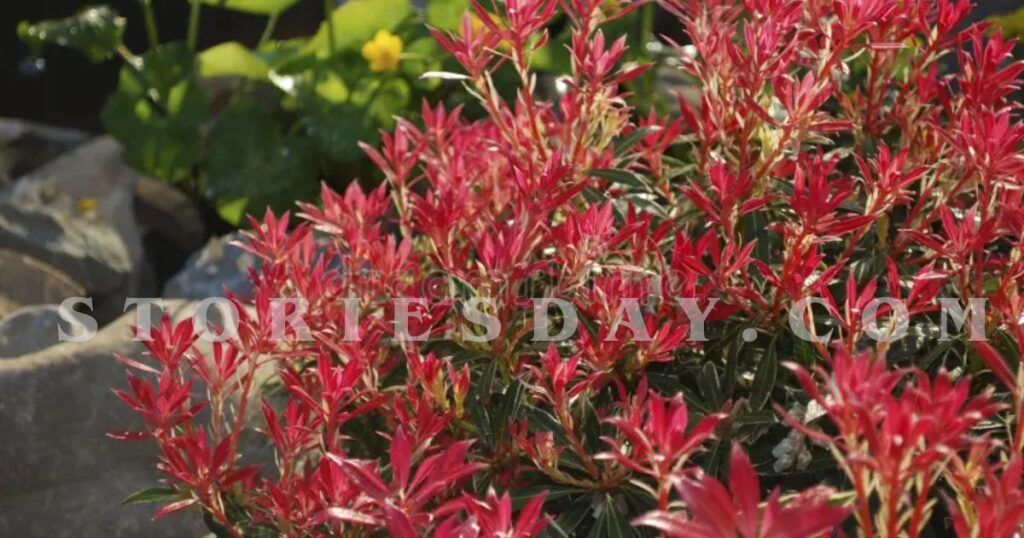
Careful planting gives your shrub the strongest possible start and encourages a healthy root system.
Choose the Best Time
The ideal planting seasons are:
- Early spring
- Early autumn
During these periods, the soil remains workable, and temperatures are mild enough to encourage root growth before seasonal extremes arrive.
Prepare the Planting Hole
Dig a hole that is about twice as wide as the root ball but no deeper than the plant’s original container.
Loosen the surrounding soil so new roots can spread easily into their new environment.
Position the Plant Correctly
Place the shrub so the top of the root ball sits level with the surrounding soil surface.
Planting too deeply can reduce oxygen around the roots and increase the risk of root diseases.
Backfill and Water
Fill the hole carefully, firming the soil gently as you work.
Water thoroughly after planting to remove air pockets and help the roots establish contact with the surrounding soil.
Finish by applying a layer of organic mulch around the base, leaving a small gap around the main stem.
Watering and Feeding
Once established, Pieris requires relatively little attention, but consistent care during the first few years encourages stronger growth.
Watering
Young shrubs benefit from regular deep watering, especially during dry weather.
Instead of watering lightly every day, water thoroughly and allow moisture to reach deeper into the soil. This encourages a stronger, more resilient root system.
Established plants usually need supplemental watering only during prolonged periods without rainfall.
Mulching around the base helps retain soil moisture and reduces temperature fluctuations.
Feeding
Use a fertilizer formulated for acid-loving plants in early spring.
A second light application after flowering may benefit shrubs growing in nutrient-poor soils.
Avoid excessive fertilization, particularly late in the growing season, as it can encourage soft new growth that may be damaged by winter cold.
Pruning and Routine Maintenance
One of the reasons gardeners appreciate Pieris is its naturally attractive shape.
When to Prune
The best time to prune is immediately after flowering.
Pruning later in the year may remove developing flower buds for the following spring.
What to Remove
Focus on removing:
- Dead branches
- Damaged stems
- Diseased growth
- Crossing branches that restrict airflow
Minimal shaping is usually all that is required.
Seasonal Care
Spring
Spring is the shrub’s most active growing season.
Tasks include:
- Applying fertilizer
- Refreshing mulch
- Monitoring new growth
- Watering if rainfall is limited
Summer
During warmer months:
- Water during extended dry spells.
- Check for signs of pests.
- Keep weeds away from the base.
Autumn
Autumn is an excellent time to:
- Plant new shrubs
- Replace mulch
- Remove damaged branches
Winter
Although evergreen, Pieris still benefits from winter care.
Protect exposed plants from drying winds and ensure the soil does not become completely dry during long periods without rain.
Common Problems and Solutions
Most growing problems can be avoided by providing the right conditions from the beginning.
Yellow Leaves
This often indicates:
- Alkaline soil
- Poor nutrient availability
- Inadequate drainage
Checking soil pH is usually the first step toward identifying the cause.
Root Rot
Poor drainage is the leading cause of root problems.
Symptoms include:
- Wilting
- Yellow foliage
- Slow growth
- Branch dieback
Planting in well-drained soil greatly reduces this risk.
Lace Bugs
These insects feed on the undersides of leaves, causing a pale or speckled appearance.
Regular inspection helps detect problems before they become severe.
Leaf Spot
Occasional fungal diseases may cause brown spotting.
Good air circulation, proper watering practices, and removing affected leaves help minimize disease development.
Growing in Containers
Compact cultivars adapt very well to container gardening.
Choose a large pot with drainage holes and fill it with compost suitable for acid-loving plants.
Container-grown shrubs generally require:
- More frequent watering
- Annual compost renewal
- Regular monitoring during hot weather
With proper care, they make attractive additions to patios, balconies, and small gardens.
Companion Plants
Pieris combines beautifully with other plants that enjoy similar growing conditions.
Excellent companions include:
- Rhododendrons
- Azaleas
- Camellias
- Japanese maples
- Ferns
- Hostas
- Heucheras
- Hydrangeas where soil conditions are appropriate
Combining evergreen shrubs with shade-loving perennials creates texture, color, and interest throughout the year.
Landscape Uses
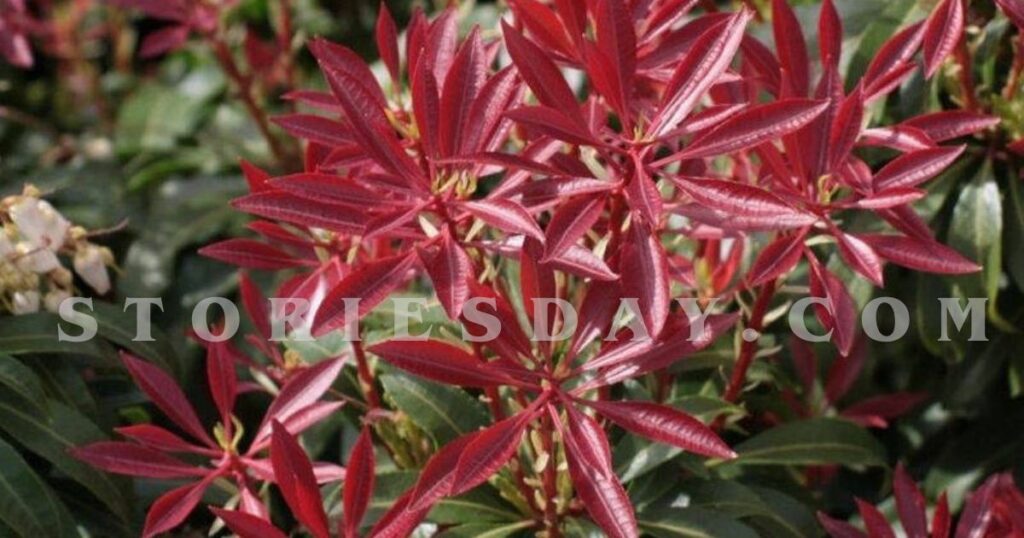
Its elegant appearance makes Pieris suitable for a wide range of landscape designs.
Popular uses include:
- Woodland gardens
- Mixed shrub borders
- Foundation plantings
- Feature specimens
- Informal privacy screens
- Courtyard gardens
- Container displays
Its evergreen foliage ensures the garden remains attractive even during the winter months.
Final Thoughts
Pieris is an outstanding evergreen shrub for gardeners seeking long-lasting beauty with relatively little maintenance. Its graceful spring flowers, colorful new foliage, and year-round greenery provide interest in every season.
Success depends largely on choosing the right planting site. A location with partial shade, acidic well-drained soil, and consistent moisture allows the shrub to flourish for many years. Regular mulching, occasional feeding, and light pruning after flowering are usually all that’s needed to keep it healthy.
Whether you’re designing a woodland retreat, enhancing a shaded border, or adding structure to a foundation planting, this versatile shrub offers reliable performance and timeless elegance. With proper care, it can remain one of the highlights of your garden for decades.
Frequently Asked Questions
Does Pieris grow better in sun or shade?
It grows best in partial shade, where it receives morning sunlight and protection from intense afternoon heat.
What type of soil does Pieris need?
It prefers moist, well-drained, acidic soil rich in organic matter.
How often should a newly planted shrub be watered?
Water deeply once or twice a week during the first growing season, adjusting according to rainfall and soil moisture.
When is the best time to prune?
Prune immediately after flowering to avoid removing the buds that will produce next year’s blooms.
Can Pieris be grown in pots?
Yes. Compact varieties grow well in containers when planted in acidic compost and provided with regular watering and good drainage.
