

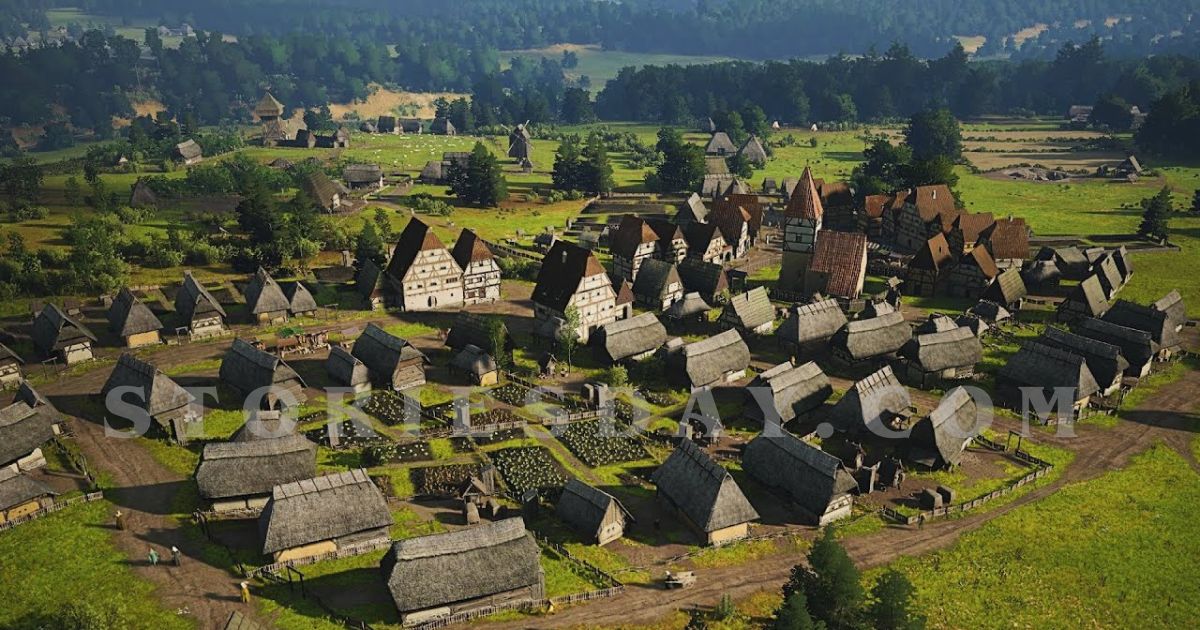
Germany is filled with fascinating places that go far beyond its famous cities and landmarks. While destinations such as Berlin, Hamburg, and Munich attract millions of visitors, smaller settlements reveal another side of German culture, history, and everyday life. Wenrath is one such place that reflects the charm of a traditional rural community in North Rhine-Westphalia.
Located in the Reichshof area of the Oberbergischer Kreis district, Wenrath represents the quiet beauty of the German countryside. Small villages like this often preserve regional traditions, natural landscapes, and historical connections that have developed over many generations.
For those interested in German geography, local history, or peaceful countryside destinations, exploring Wenrath provides a glimpse into a slower and more traditional way of life. The village may not be among Germany’s most famous locations, but its connection to nature and regional heritage makes it an interesting subject for discovery.
This article explores the location, history, surroundings, lifestyle, and unique characteristics of this German village.
Where Is Wenrath Located?
Wenrath is a small settlement connected with the municipality of Reichshof in the Oberbergischer Kreis district of North Rhine-Westphalia, Germany. This region is located in the western part of the country and is recognized for its green landscapes, forest areas, and traditional villages.
Unlike Germany’s large urban centers, the Reichshof region offers a peaceful rural atmosphere. The area is characterized by rolling hills, open fields, woodland paths, and small communities that are closely connected with their surroundings.
The location provides visitors with an opportunity to experience a different side of Germany. Instead of crowded streets and modern city environments, travelers can discover natural scenery, local architecture, and a quieter lifestyle.
North Rhine-Westphalia is known for both industrial cities and beautiful countryside. Places like Wenrath demonstrate the diversity of the state by showing how rural communities continue to maintain their identity while adapting to modern times.
The surrounding region offers:
- Forest landscapes ideal for walking and cycling
- Traditional villages with historic character
- Peaceful countryside views
- Connections to nearby cultural and natural attractions
Historical Background of Wenrath
The history of Wenrath reflects the broader development of many rural settlements in Germany. Villages in this region were often shaped by agriculture, natural resources, and local communities that developed around shared traditions.
Historically, rural areas of the Oberbergischer Kreis depended heavily on farming and forestry. Families built their lives around the land, using local resources to support their communities. Over time, these settlements developed their own customs, architecture, and regional identity.
Although smaller villages may not always have extensive written records compared with major German cities, they still play an important role in understanding local history. Every village represents generations of residents who contributed to the development of the surrounding area.
The evolution of Wenrath can be viewed through several stages:
Early Rural Development
Like many settlements in western Germany, the area grew through agricultural activity. Farms, small businesses, and local trades helped communities survive and expand.
The natural environment influenced how people lived. Forests provided resources, while farmland supported local families.
Changes Through Modernization
Over the centuries, rural communities experienced major changes. Transportation improvements, new technologies, and economic shifts transformed traditional lifestyles.
Many villages moved from primarily agricultural economies toward a mixture of residential life, small businesses, and connections with nearby towns.
Preserving Regional Identity
Despite modernization, communities in the region continue to value their traditions. Local architecture, landscapes, and community relationships help preserve the character of places like Wenrath.
The Natural Landscape Surrounding the Village
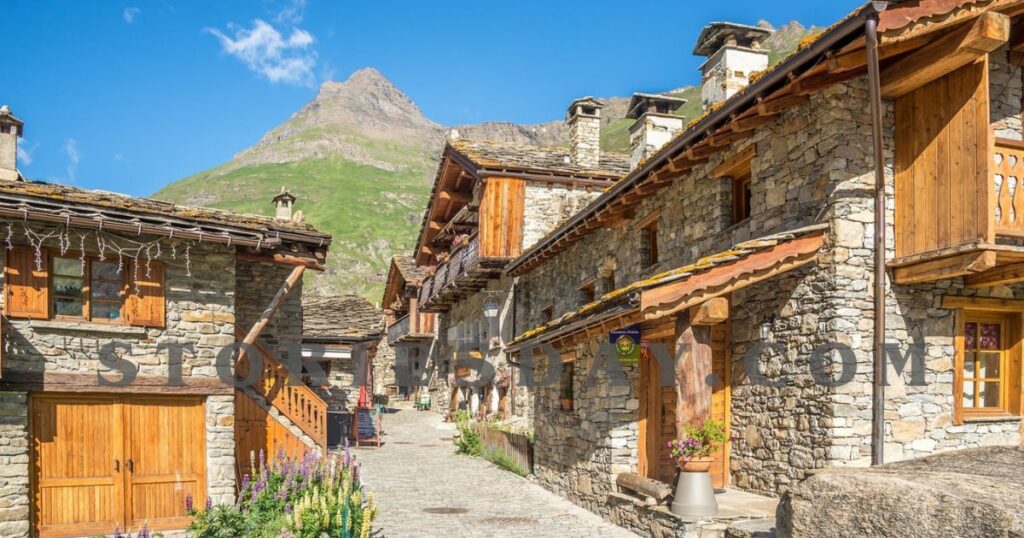
One of the most appealing aspects of Wenrath is its connection to the natural environment. The Oberbergischer Kreis region is famous for its scenic countryside, making it attractive for people who enjoy outdoor activities and peaceful surroundings.
The landscape includes:
- Green hills
- Dense forests
- Rural walking routes
- Open fields
- Picturesque countryside views
Nature plays an important role in the identity of many German villages. The environment around Wenrath provides residents and visitors with opportunities to enjoy outdoor recreation while experiencing the beauty of western Germany.
Walking and cycling are popular activities throughout the region. The quiet roads and natural paths allow people to explore the countryside at a relaxed pace.
The surrounding forests also contribute to the region’s atmosphere. They provide areas for relaxation, wildlife observation, and photography. For travelers who prefer authentic landscapes instead of crowded tourist attractions, this type of environment can be especially appealing.
Local Culture and Community Life
Life in smaller German villages is often shaped by strong community connections. Wenrath reflects many characteristics commonly found in rural communities throughout Germany.
Residents in these areas often maintain close relationships through local activities, traditions, and regional events. Community life can create a strong sense of belonging that differs from the experience of living in larger cities.
Important elements of rural community life include:
Local Traditions
German villages often preserve customs that have been passed down through generations. Seasonal celebrations, regional gatherings, and community activities remain important parts of village culture.
Connection to Nature
The surrounding environment influences everyday life. Many residents enjoy outdoor activities and appreciate the peaceful setting that rural areas provide.
Traditional Architecture
The buildings and homes found in German villages often reflect local styles. Traditional designs and carefully maintained properties contribute to the visual appeal of these communities.
Balanced Lifestyle
Many people choose rural areas because they offer a balance between modern convenience and natural surroundings. Villages provide quieter living environments while remaining connected to nearby towns and services.
Interesting Facts About Wenrath
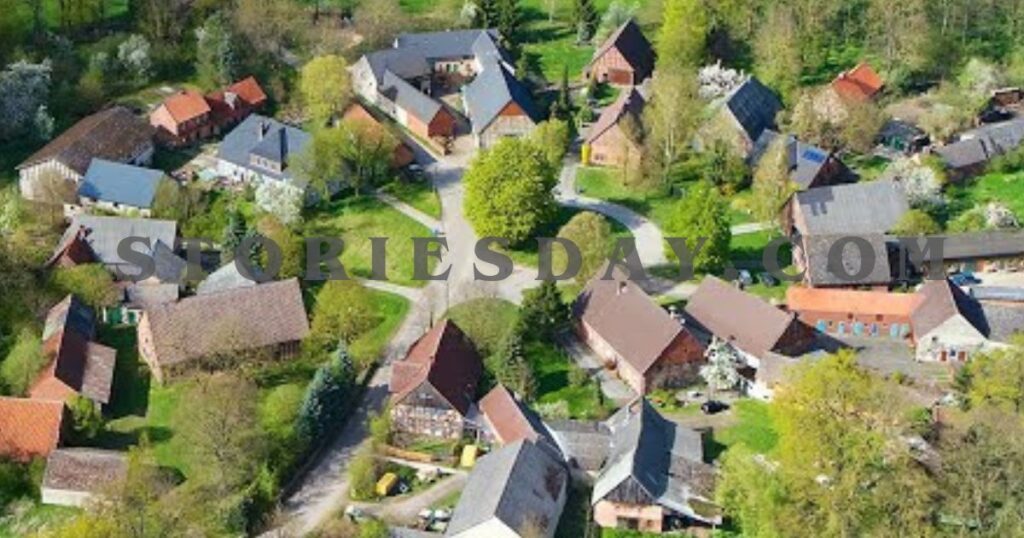
Although Wenrath is a small and lesser-known location, it offers several interesting points for people researching German villages and regional history.
1. It Represents Traditional Rural Germany
Many international visitors associate Germany mainly with castles, cities, and famous landmarks. However, villages like Wenrath reveal the everyday side of German life.
These communities show how traditions, nature, and local history continue to influence modern lifestyles.
2. It Belongs to a Scenic Region
The Oberbergischer Kreis district is known for its attractive landscapes. The combination of forests, hills, and villages creates a distinctive regional atmosphere.
3. It Offers a Peaceful Environment
Unlike crowded tourist destinations, smaller villages provide calm surroundings where visitors can enjoy nature and local culture.
4. It Reflects Regional Heritage
Every German village contributes to the country’s cultural story. Even small settlements preserve memories, traditions, and connections that are valuable to local history.
5. It Shows Another Side of North Rhine-Westphalia
The state is often associated with industrial cities, but rural communities demonstrate its natural beauty and cultural diversity.
Reasons to Explore the Wenrath Region
For travelers interested in authentic experiences, visiting the area around Wenrath can provide a meaningful alternative to traditional sightseeing.
Experience Rural German Life
Exploring smaller communities allows visitors to understand how many Germans live outside major cities. The slower pace and local atmosphere create a different travel experience.
Enjoy Outdoor Activities
The surrounding countryside is suitable for activities such as:
- Hiking
- Cycling
- Nature photography
- Scenic walks
Discover Local History
The region contains many examples of Germany’s rural development. Exploring nearby villages can reveal traditional architecture, historical locations, and regional stories.
Relax in Natural Surroundings
For people looking to escape busy urban environments, peaceful countryside locations offer an opportunity to reconnect with nature
Frequently Asked Questions About Wenrath
What is Wenrath known for?
Wenrath is known as a small rural settlement in the Reichshof area of North Rhine-Westphalia, Germany, surrounded by countryside and regional landscapes.
Where is Wenrath located?
Wenrath is located in the Oberbergischer Kreis district of North Rhine-Westphalia in western Germany.
Is Wenrath a tourist destination?
It is not a major international tourist destination, but it may interest visitors who enjoy rural landscapes, local history, and traditional German villages.
What can visitors do near Wenrath?
Visitors can explore nearby natural areas, enjoy walking and cycling routes, and experience the peaceful atmosphere of the German countryside.
Why are small German villages like Wenrath important?
Small villages preserve local traditions, regional history, and cultural identity. They provide valuable insight into Germany beyond its famous citie
Final Thoughts
Wenrath represents the quiet charm of rural Germany. While it may not receive the same attention as famous destinations, its natural surroundings, regional connections, and traditional character make it an interesting place to learn about.
Small communities often hold important stories about a country’s past and present. Through places like Wenrath, visitors and researchers can better understand the relationship between German culture, landscapes, and local traditions.
Exploring these lesser-known locations provides a more complete picture of Germany—one built not only around major cities but also around the villages that preserve the country’s heritage.
