

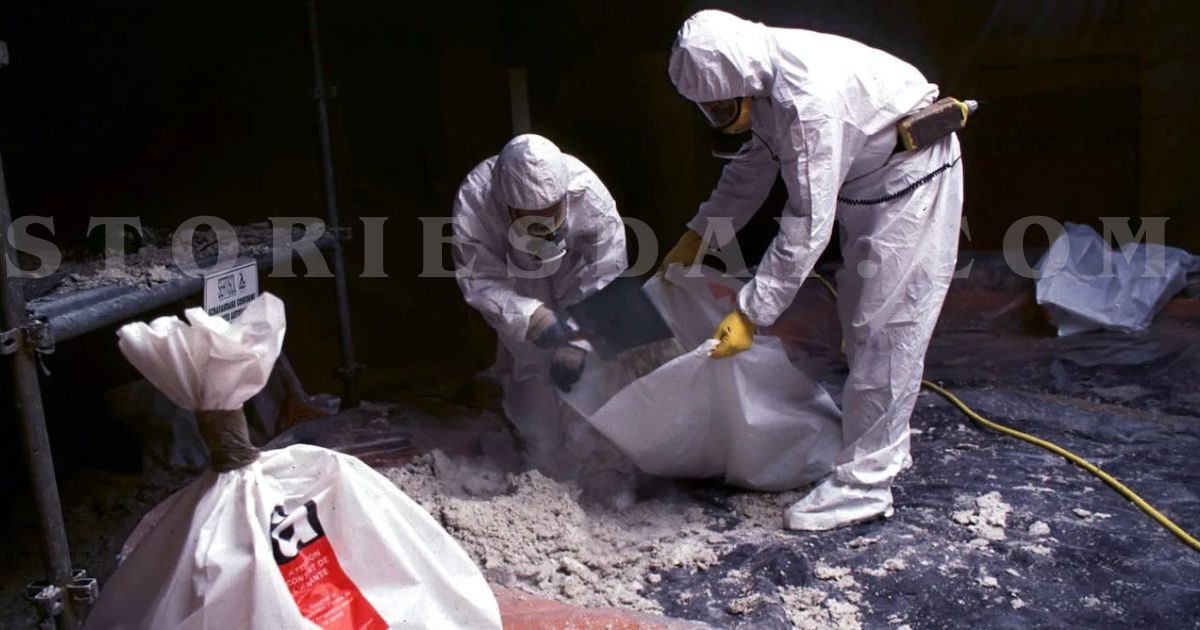
Older homes and commercial buildings often contain materials that were once considered durable, affordable, and fire-resistant. Among them, asbestos was one of the most widely used construction materials throughout much of the twentieth century. Although its use has been heavily restricted or banned in many countries, asbestos remains present in countless older structures, making awareness and proper management essential.
The term asbestlint has appeared more frequently in online discussions about asbestos safety. It is generally used to describe fine asbestos-containing dust or loose fibers that may be released when asbestos materials deteriorate or are disturbed. While it is not a formal scientific or regulatory term, it reflects a real concern: microscopic asbestos fibers can become airborne and pose serious health risks when inhaled.
Whether you’re planning a home renovation, purchasing an older property, managing commercial buildings, or simply learning about environmental safety, understanding how asbestos behaves can help you make informed decisions. This guide explains what asbestlint refers to, why exposure is dangerous, where asbestos may still be found, and how professionals identify potential hazards before recommending safe management or removal.
Understanding Asbestlint
The word asbestlint is commonly used online to describe tiny asbestos-containing particles or dust that may be released from damaged asbestos materials. Although regulatory agencies do not officially define the term, it generally refers to loose fibers that become airborne after asbestos-containing products are disturbed.
Asbestos itself is a naturally occurring mineral composed of extremely fine fibers. Because these fibers resist heat, chemicals, electricity, and fire, asbestos became a popular material in construction, manufacturing, shipbuilding, and industrial equipment for decades.
Its widespread use included products such as:
- Pipe insulation
- Roof shingles
- Cement boards
- Vinyl floor tiles
- Ceiling panels
- Boiler insulation
- Textured wall and ceiling coatings
- Fireproof insulation
- Industrial gaskets
When these materials remain intact and in good condition, they usually release very few fibers. The greatest concern arises when they become damaged through aging, drilling, sanding, demolition, storms, or renovations. Once disturbed, microscopic fibers associated with asbestlint can enter the surrounding air without being visible.
Unlike ordinary household dust, asbestos fibers cannot be detected simply by looking at them. Their microscopic size allows them to remain suspended in the air, increasing the chance that people nearby may breathe them in without realizing it.
Why Asbestos Continues to Be a Public Health Concern
Despite decades of regulation, asbestos has not disappeared from the built environment. Millions of homes, schools, hospitals, warehouses, and office buildings constructed before asbestos restrictions still contain original materials that include asbestos.
The challenge is that asbestos is remarkably durable. Unlike many construction products that naturally decay over time, asbestos fibers remain stable for decades. While this durability once made asbestos attractive for builders, it also means older materials can continue to pose risks if they become damaged.
The danger comes primarily from inhaling airborne fibers rather than touching solid asbestos products. Once inhaled, these tiny fibers can travel deep into the lungs, where the body’s natural defense systems have difficulty removing them.
Medical research has shown that asbestos-related illnesses often develop slowly. Symptoms may not appear for several decades after exposure, making prevention far more effective than treatment. This long latency period is one reason health authorities continue emphasizing careful inspection and proper handling of older building materials.
Common Places Where Asbestos May Be Found
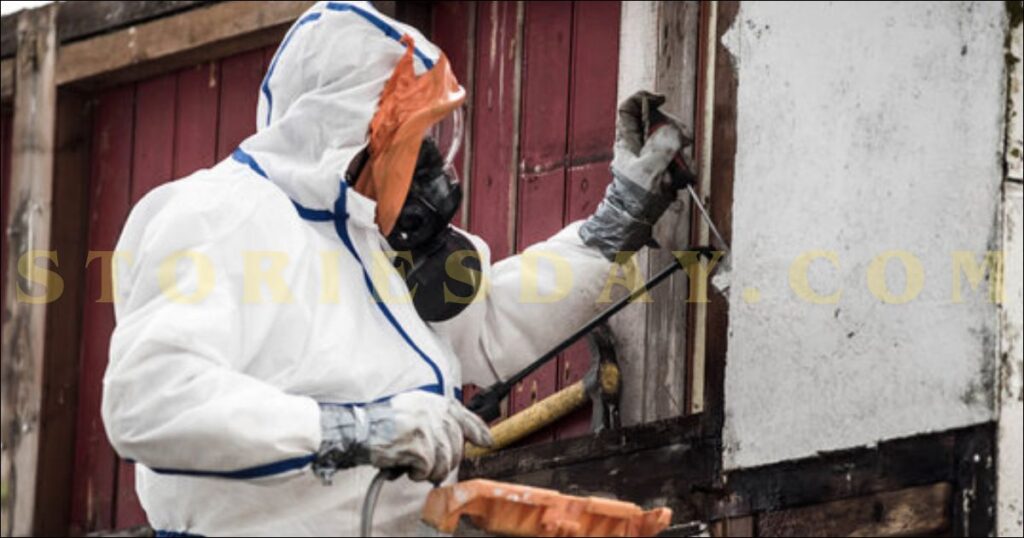
Knowing where asbestos was historically used helps homeowners and property managers recognize situations where additional caution may be necessary.
Buildings constructed before modern asbestos regulations are more likely to contain asbestos-containing materials in both visible and hidden locations.
Common examples include:
Roofing Materials
Older roofing shingles and roofing felt sometimes contained asbestos because it improved durability and weather resistance.
Pipe and Boiler Insulation
Heating systems often relied on asbestos insulation to reduce heat loss and improve fire resistance.
Ceiling and Wall Finishes
Textured ceilings, decorative coatings, acoustic panels, and some ceiling tiles may contain asbestos, particularly in buildings constructed during the mid-twentieth century.
Floor Coverings
Certain vinyl floor tiles, adhesives, and backing materials included asbestos to improve strength and resistance to wear.
Cement Products
Exterior siding panels, cement pipes, and wall boards frequently incorporated asbestos fibers for additional reinforcement.
Industrial Equipment
Factories, power plants, and manufacturing facilities historically used asbestos insulation around machinery, furnaces, and steam systems because of its exceptional heat resistance.
Since asbestos-containing materials often resemble modern alternatives, visual inspection alone cannot determine whether a product contains asbestos. Laboratory analysis remains the most reliable method of confirmation.
How Airborne Asbestos Fibers Are Released
Asbestos does not automatically become hazardous simply because it exists inside a building. The greatest risk develops when asbestos-containing materials are disturbed and release microscopic fibers into the air.
Several situations can cause this to happen.
Home Renovation Projects
Renovation work is one of the most common sources of asbestos exposure. Removing old flooring, replacing insulation, demolishing walls, or drilling through ceilings can disturb hidden asbestos materials if proper precautions are not taken.
Aging and Deterioration
Years of moisture, vibration, weather exposure, and normal wear can gradually weaken older asbestos-containing products. As materials break down, small fibers may begin separating from their original structure.
Fire, Floods, and Storm Damage
Natural disasters and structural damage can fracture asbestos materials, leaving contaminated debris that requires specialized cleanup procedures.
Improper Maintenance
Using power tools, scraping textured coatings, sanding surfaces, or attempting DIY removal without appropriate controls can significantly increase the release of airborne fibers.
Because these fibers are invisible and lightweight, contamination may spread beyond the immediate work area if proper containment measures are not used.
Health Risks Linked to Asbestos Exposure
The health concerns associated with asbestlint stem from inhaling microscopic asbestos fibers over time. Once inside the lungs, the fibers can remain embedded for many years, gradually causing inflammation and permanent tissue damage.
The level of risk depends on factors such as:
- The amount of airborne asbestos present
- How often exposure occurs
- The length of exposure
- Individual health history
- Smoking habits
- The specific type of asbestos involved
Asbestosis
Asbestosis is a chronic lung disease caused by prolonged exposure to asbestos fibers. Scar tissue gradually develops within the lungs, reducing their ability to expand normally.
Common symptoms include:
- Persistent dry cough
- Shortness of breath
- Chest discomfort
- Fatigue
- Difficulty with physical activity
Although treatments may improve quality of life, lung scarring caused by asbestosis cannot be reversed.
Lung Cancer
Long-term occupational asbestos exposure has been linked to an increased risk of lung cancer. Smoking further increases this risk, making prevention and regular medical monitoring especially important for workers with past asbestos exposure.
Mesothelioma
Mesothelioma is a rare but aggressive cancer affecting the lining surrounding the lungs, abdomen, or, less commonly, the heart. It is strongly associated with asbestos exposure and often develops decades after initial contact.
Other Respiratory Conditions
Research has also linked asbestos exposure to pleural plaques, pleural thickening, and other chronic respiratory disorders that may reduce lung function and overall quality of life.
Professional Inspection and Testing
Because asbestos fibers cannot be identified by sight alone, professional inspection is the safest and most reliable way to determine whether asbestos-containing materials are present.
Qualified asbestos inspectors begin by evaluating the building’s construction date, renovation history, and areas where asbestos products were commonly installed. Materials that appear suspicious are carefully sampled using procedures designed to minimize fiber release.
The samples are then analyzed by accredited laboratories using specialized microscopy techniques capable of detecting asbestos fibers with a high degree of accuracy.
In situations involving renovation, demolition, or suspected contamination, air monitoring may also be performed. This testing measures airborne fiber concentrations before, during, and after asbestos-related work, helping confirm whether the area meets established safety standards.
Professional testing provides reliable information that supports informed decisions while reducing unnecessary exposure risks.
Safe Removal and Management of Asbestos
Discovering suspected asbestos in a home or workplace can be alarming, but it does not always mean immediate removal is necessary. In many cases, asbestos-containing materials that are in good condition and left undisturbed pose a much lower risk than materials that have been damaged during unnecessary handling.
The right approach depends on the material’s condition, location, and the likelihood of future disturbance. Before beginning any renovation or demolition project, have older building materials assessed by qualified professionals if asbestos may be present.
Why Professional Removal Is Recommended
Removing asbestos requires specialized knowledge, equipment, and procedures designed to prevent fibers from becoming airborne. Licensed asbestos contractors follow strict safety standards to protect workers, building occupants, and the surrounding environment.
A professional removal project typically includes:
- Sealing off the work area to prevent contamination from spreading
- Using negative air pressure systems where appropriate
- Wetting asbestos materials to minimize dust
- Wearing approved respiratory protection and disposable protective clothing
- Packaging waste in clearly labeled, sealed containers
- Transporting waste to authorized disposal facilities
These practices reduce exposure risks and ensure compliance with local environmental regulations.
Why DIY Removal Can Be Dangerous
Many people believe that wearing a simple dust mask is enough protection when removing old insulation or floor tiles. Unfortunately, this is not the case.
Breaking, sanding, drilling, or scraping asbestos-containing materials can release microscopic fibers into the air. Ordinary household vacuums and sweeping methods are not designed to capture these fibers and may actually spread contamination throughout a property.
If you suspect asbestos is present, the safest choice is to stop work immediately and seek professional guidance rather than attempting removal yourself.
Preventing Exposure at Home and Work
Preventing asbestos exposure begins with awareness. Property owners, employers, and contractors all play an important role in reducing unnecessary risks.
Inspect Older Properties Before Renovation
If your home or commercial building was constructed before asbestos regulations came into effect, arrange for an inspection before carrying out major renovations.
Knowing where asbestos-containing materials are located allows renovation work to be planned safely.
Leave Intact Materials Alone
Asbestos materials that remain undamaged are often best managed rather than removed. Regular inspections can help ensure they remain in good condition without releasing fibers.
Avoid drilling, sanding, cutting, or otherwise disturbing materials that may contain asbestos until they have been properly assessed.
Keep Maintenance Records
For commercial properties, maintaining accurate records of asbestos-containing materials helps contractors and maintenance staff avoid accidental disturbance during future work.
Clear documentation also supports compliance with workplace safety regulations.
Follow Workplace Safety Procedures
Industries such as construction, demolition, shipbuilding, manufacturing, and maintenance continue to encounter asbestos in older buildings and equipment.
Employers should provide:
- Asbestos awareness training
- Appropriate personal protective equipment (PPE)
- Safe work procedures
- Exposure monitoring where required
- Emergency response plans for accidental disturbance
Employees should report damaged materials immediately rather than attempting repairs without proper authorization.
Regulations and Legal Responsibilities
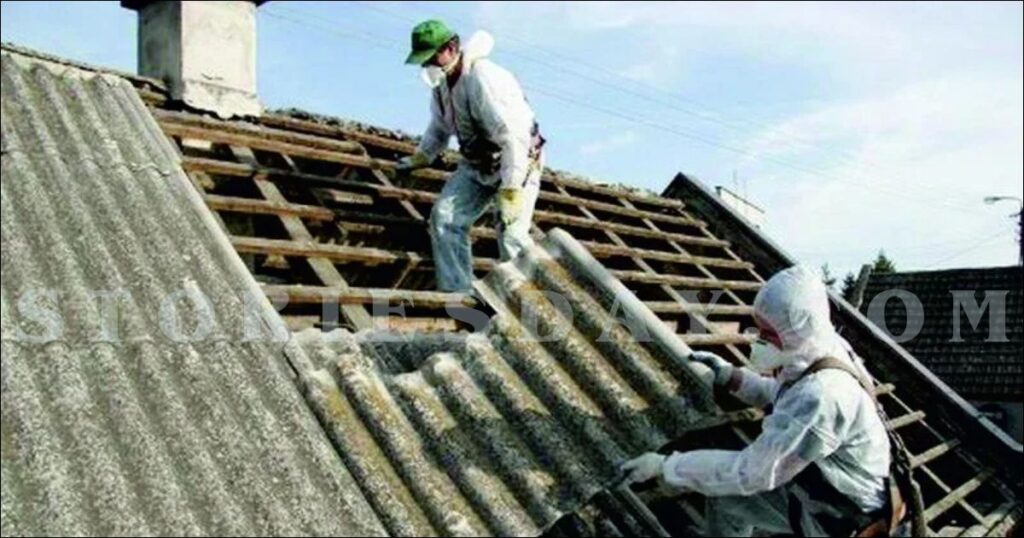
Because asbestos exposure can have serious long-term health consequences, governments around the world have introduced regulations governing its identification, handling, removal, and disposal.
Although the specific rules vary between countries, several principles are widely recognized.
Property Owner Responsibilities
Owners of older residential, commercial, and industrial buildings may have legal obligations to identify asbestos before renovation or demolition projects begin.
Keeping accurate inspection records helps protect contractors, occupants, and visitors.
Employer Responsibilities
Organizations whose employees may encounter asbestos are generally required to:
- Assess potential workplace hazards
- Provide suitable training
- Supply appropriate protective equipment
- Monitor exposure where necessary
- Maintain safe working conditions
Following these requirements helps reduce occupational exposure and protects employee health.
Safe Disposal
Asbestos waste requires special handling because improper disposal can contaminate the environment.
Approved disposal procedures typically involve:
- Sealed packaging
- Hazard labeling
- Licensed transportation
- Disposal at approved hazardous waste facilities
Dumping asbestos waste with ordinary construction debris may violate environmental regulations and create additional public health risks.
Common Misconceptions About Asbestos
Misinformation about asbestos continues to circulate, leading to unnecessary panic in some cases and dangerous overconfidence in others.
“Every Older Building Is Unsafe”
Not necessarily. Many older buildings contain asbestos materials that remain stable and undamaged. Risk depends on the material’s condition and whether fibers become airborne.
“You Can Identify Asbestos by Looking at It”
Asbestos cannot be confirmed through visual inspection alone. Many non-asbestos products look nearly identical. Laboratory testing is the only reliable way to determine whether a material contains asbestos.
“Short Exposure Always Causes Disease”
The likelihood of developing an asbestos-related illness generally depends on factors such as the duration, intensity, and frequency of exposure. While minimizing exposure is always important, health outcomes vary from person to person.
“Cleaning Removes All Asbestos Dust”
Standard household cleaning methods are not designed for asbestos contamination. Improper cleaning can spread fibers rather than remove them.
“Asbestos Is No Longer Used Anywhere”
While many countries have banned or severely restricted asbestos, some regions still permit limited use, and millions of older buildings worldwide continue to contain asbestos-containing materials installed decades ago.
Why Awareness Matters
Awareness is one of the most effective tools for reducing asbestos-related illnesses. Understanding where asbestos may be present and recognizing situations that require caution allows homeowners, contractors, and employers to make informed decisions.
Planning renovations carefully, arranging professional inspections when needed, and following established safety practices can prevent unnecessary exposure while protecting both occupants and workers.
Education also helps eliminate common myths, replacing fear and uncertainty with practical knowledge based on scientific evidence and established health guidance.
Conclusion
Understanding asbestlint begins with understanding asbestos itself. Although the term is commonly used to describe loose asbestos fibers or asbestos-containing dust, the real concern lies in the microscopic particles that can become airborne when older building materials are damaged or disturbed.
The safest approach is prevention. Identifying potential asbestos-containing materials before renovation, avoiding unnecessary disturbance, and relying on qualified professionals for inspection or removal significantly reduce the risk of exposure.
Whether you are maintaining an older home, managing a commercial property, or working in construction, informed decision-making is the foundation of asbestos safety. By recognizing potential hazards early and following established regulations, you can protect both your health and the people around you.
Frequently Asked Questions
What does asbestlint refer to?
The term generally refers to fine asbestos-containing dust or loose fibers that may be released when asbestos materials deteriorate or are disturbed. Although it is not an official technical term, it is commonly used in discussions about asbestos safety.
Is exposure to asbestos always dangerous?
The risk depends on factors such as the amount of airborne fibers, the duration of exposure, and how often exposure occurs. Long-term or repeated inhalation of asbestos fibers presents the greatest health concern.
How can I know if my house contains asbestos?
If your property was built before asbestos restrictions were introduced, certain materials may contain asbestos. Professional inspection and laboratory testing provide the most reliable confirmation.
Should I remove asbestos immediately if it is found?
Not always. Asbestos-containing materials that remain intact and undisturbed may often be managed safely through regular monitoring. Removal is usually recommended when materials are damaged or likely to be disturbed during renovation.
Who should remove asbestos from a building?
Licensed asbestos removal professionals should handle removal projects. They have the training, equipment, and procedures necessary to reduce exposure risks and comply with environmental regulations.
